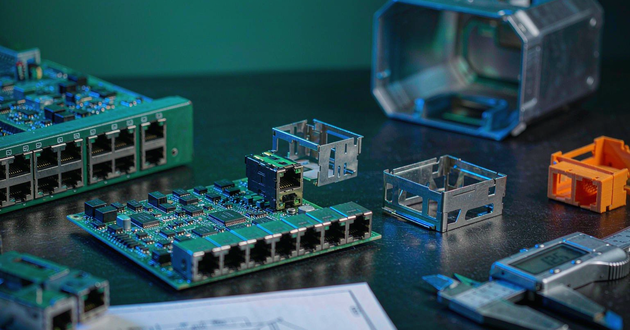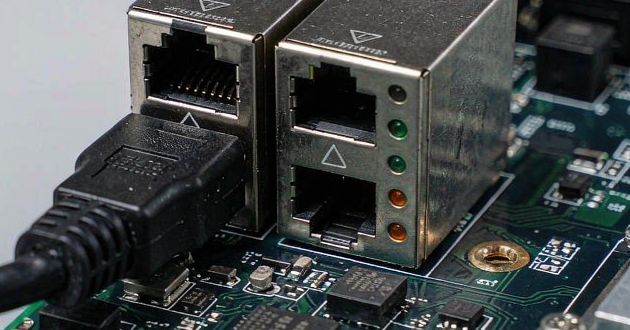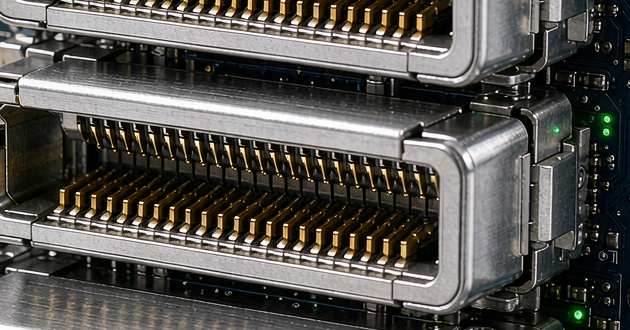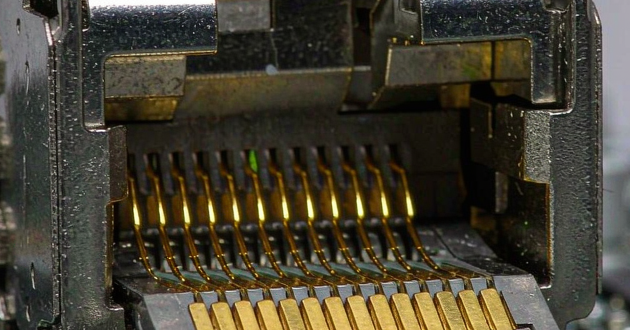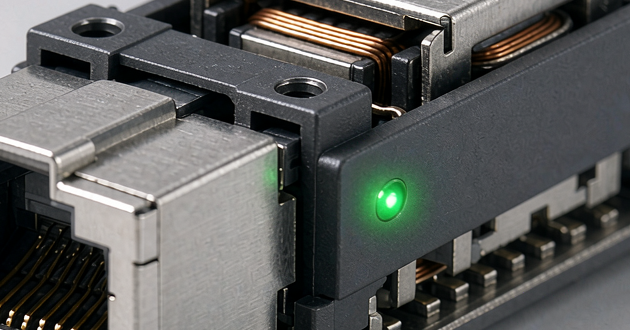
Sourcing a connector for a switch, router, gateway, server, network interface card or other network device is not simply a matter of matching an interface and comparing quotations. The connector becomes part of the PCB, enclosure, assembly process and long-term supply chain. A part that works in an initial sample can still create problems later if the drawing is incomplete, the validation conditions are unclear, or production changes are not controlled.
For network equipment buyers, the sourcing process should therefore create evidence at each decision point: the proposed part matches the application, the sample represents the controlled specification, the manufacturer can reproduce the critical characteristics, and future changes can be identified before they affect production.
Direct answer: Before sourcing OEM connectors, confirm the exact product and application scope, issue a controlled drawing and specification package, define sample acceptance criteria, review manufacturing and quality evidence, and agree on change-control requirements. The goal is not only to approve a sample, but to ensure the approved configuration can be reproduced consistently when the project moves into mass production.
Confirm Product and Application Scope Before Sourcing OEM Connectors
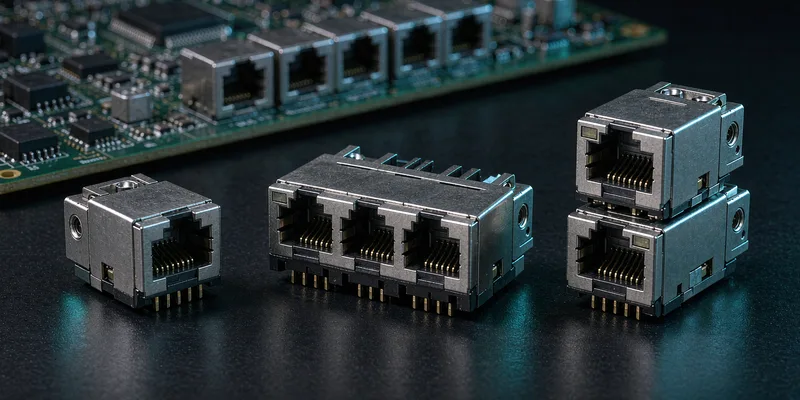
A quotation is only comparable when every supplier is quoting the same technical requirement. Network equipment can use very different connector architectures: a standard RJ45 jack with external magnetics, a Magnetic RJ45 connector with integrated magnetics, or SFP/SFP28/QSFP host-side connectivity for higher-bandwidth equipment. The first sourcing step is therefore to define the interface as it operates inside the equipment, not merely by a generic connector name.
For Ethernet equipment, buyers should confirm the required data rate, whether the design uses integrated or external magnetics, the PHY relationship, PoE requirement where applicable, port configuration, mounting method, orientation, shielding, LED or light-pipe needs, PCB space and enclosure constraints. For pluggable high-speed interfaces, the host connector, cage, heat-sink or light-pipe configuration and board layout requirements become part of the same scope discussion.
GLGNET's current networking portfolio covers RJ45, Magnetic RJ45, SFP, SFP28 and QSFP connectivity for switches, routers, gateways, servers and related equipment. Its high-speed data connectivity solutions page is the appropriate internal reference when a project is still comparing the broader connection architecture before moving into a specific OEM sourcing request.
This application-first step also prevents a common search-driven mistake. Terms such as Cat5e, Cat6A or T568A/T568B are important in structured cabling and field termination, but they do not by themselves define a PCB-mounted connector for network equipment. Equipment-side sourcing must return to the actual electrical, mechanical and manufacturing interface used by the device.
What Should an OEM Connector Drawing, BOM and Tolerance Package Include?
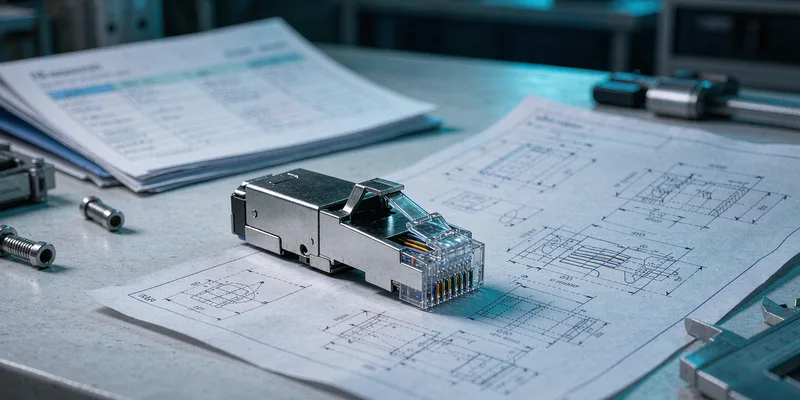
The RFQ package should remove the assumptions that can make two apparently similar quotations technically different. A controlled drawing should identify the mechanical envelope, PCB interface, mating direction, mounting features, pin or contact arrangement, and the dimensions and tolerances that are critical to assembly. The BOM or specification should define requirements that cannot be understood from geometry alone, such as housing and contact materials, plating, shielding, electrical ratings, magnetics requirements, soldering or press-fit conditions, and any project-specific restrictions.
This section should remain a procurement handoff rather than a deep connector-design tutorial. The buyer's objective is to make the quotation auditable: the supplier should be able to state which revision was reviewed, what is included in the proposed configuration, and where an alternative material, process or construction is being suggested. That separation is especially important when a standard connector is being modified rather than developed from a completely new tool.
| RFQ area | What to provide | Why buyers need it |
|---|---|---|
| Application | Equipment type, interface position and operating context | Establishes what the connector must do in the device |
| Electrical | Data rate, voltage/current and PoE requirement when applicable | Defines electrical performance boundaries |
| Mechanical | Controlled drawing, PCB footprint, orientation and space constraints | Prevents fit, mounting and assembly mismatches |
| Configuration | Port count, shielding, LED/light pipe and mating requirements | Defines the actual version being quoted |
| Materials / process | Required materials, plating or process restrictions when specified | Makes supplier assumptions visible |
| Validation | Required dimensional, electrical, mechanical or environmental checks | Defines the basis for sample approval |
| Commercial | Sample quantity, forecast volume and project schedule | Separates prototype needs from production planning |
How Should Sample Approval Validate OEM Connectors Before Mass Production?
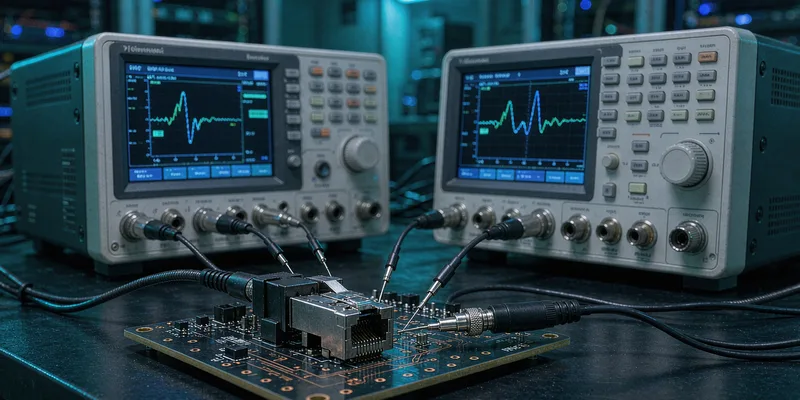
Sample approval should answer two different questions: does the sample conform to the controlled specification, and does it work in the intended equipment and assembly process? A sample that looks correct or mates successfully once is not enough evidence for production release.
Start with dimensional and construction verification against the approved drawing. Critical PCB, mating and enclosure dimensions should be checked before the sample is treated as representative. The sample should then be evaluated in the intended board and mechanical environment, including mounting or soldering behavior, enclosure alignment, mating access and interaction with adjacent components.
The electrical checks depend on the product. For an Ethernet interface, validation may need to consider the data rate, PHY and magnetics architecture, shielding and PoE requirement. For a high-speed host interface, the project may require signal-integrity evidence appropriate to the target data rate and channel design. The acceptance criteria should be agreed before the test starts rather than selected after the results are available.
GLGNET's 2026 company profile documents electrical, environmental and mechanical laboratory capability. Listed equipment includes TDR and network analyzers, temperature-rise testing, temperature and humidity chambers, thermal shock and salt-spray testing, plating-thickness measurement, mating/unmating testing, contact-force measurement and press-fit force testing. These capabilities are useful only when the buyer and engineering team identify which tests are relevant to the specific part and application.
What Supplier Qualification and Quality Control Evidence Should Buyers Review?

Supplier qualification should separate company-level capability from product-level evidence. Factory resources, engineering headcount and quality systems can show whether a manufacturer has the infrastructure to support a project, but they do not prove that a specific connector meets a specific drawing. In the same way, one successful sample does not prove that future lots will remain equivalent.
For a network connector project, useful evidence includes the controlled drawing revision, the inspection characteristics tied to that revision, relevant test records, the manufacturing processes that affect critical dimensions or contact performance, and the method used to handle nonconforming material. Where the project requires special materials, plating or process controls, those requirements should be traceable to the approved specification rather than left as verbal assumptions.
GLGNET's company profile describes more than 110 engineers across design, simulation, analysis and testing, together with manufacturing resources for stamping, injection molding, automated assembly, tooling and plating across its production footprint. For buyers, the value of those resources is the ability to connect engineering review, sample validation and manufacturing evidence to the connector being qualified, rather than treating factory scale as a substitute for part-specific proof.
This is also where procurement teams should be cautious with broad claims such as strict quality control or advanced testing. Ask what was inspected, under which revision, with what method and against which acceptance criterion. Evidence that can be traced to the proposed part is more useful than a long capability list that is not connected to the project.
How Does Change Control Protect Production Consistency?
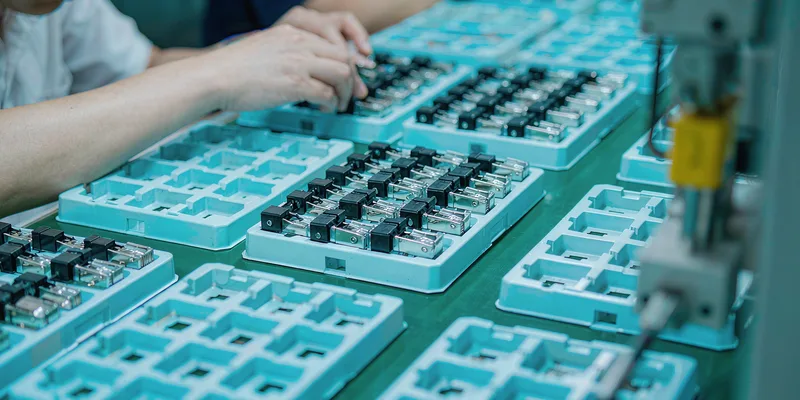
The approved sample represents a defined combination of geometry, materials, contacts, plating, tooling, process conditions and inspection requirements. If one of those elements changes later without review, the production part may no longer be equivalent to the sample that engineering originally approved.
For that reason, production consistency should be addressed before the first mass-production order. The buyer and manufacturer should agree which changes require notification or reapproval. Depending on the project, this can include material substitutions, plating changes, tooling revisions, dimensional changes, process changes or changes to a sub-supplier that can affect fit, electrical behavior or manufacturing compatibility.
Drawing revision control is equally important. Procurement, engineering and the manufacturer should work from the same approved version. An old sample, a newer drawing and an email instruction should not become three competing specifications. Lot or batch traceability then provides the link between the approved configuration and actual production if a later issue needs to be investigated.
The principle is straightforward: sample approval defines the baseline; change control protects that baseline. This is why sourcing decisions should consider the path from sample to repeat production, not only the first shipment.
| Decision stage | Buyer question | Evidence to review |
|---|---|---|
| Requirement | Does the proposed connector fit the equipment architecture? | Application review and product specification |
| Technical definition | Are both parties working from the same requirements? | Controlled drawing, BOM and specification |
| Prototype | Does the sample represent the required configuration? | Dimensional checks and validation results |
| Manufacturing | Can critical characteristics be reproduced? | Process, tooling and inspection evidence |
| Release | Is the production configuration clearly approved? | Approved revision and sample/validation record |
| Repeat orders | Can changes and affected lots be identified? | Change notification and traceability records |
What Should an OEM Connector Sourcing Checklist Include?
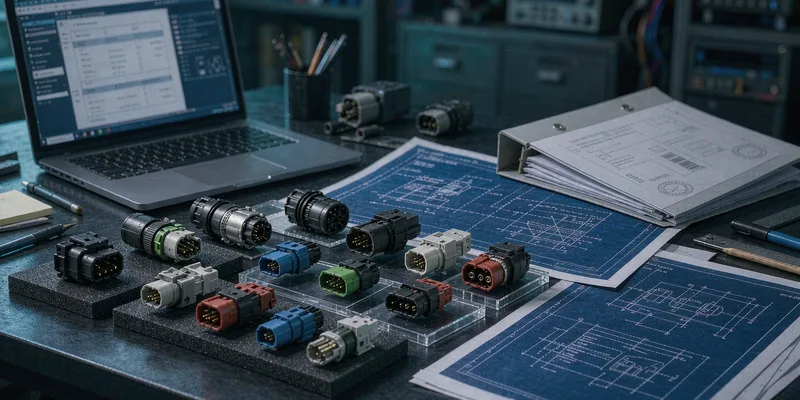
A useful sourcing checklist should follow the actual approval path instead of becoming a generic supplier questionnaire. Before quotation, confirm the application, connector family, electrical requirements, mechanical interface, mounting method, drawing revision and expected volume. Before samples, confirm the proposed configuration and define what the samples are intended to prove. Before production release, confirm that the agreed checks have been completed and that the approved sample corresponds to the same controlled documentation that will govern production.
The final step is to define what happens after approval. Buyers should know how engineering or process changes will be communicated, which changes require requalification, and what traceability is expected if a future lot must be investigated. This creates a clear sequence: application definition, controlled specification, quotation, sample, validation, approval and controlled production.
For projects that already have a drawing or reference specification, GLGNET's OEM connector manufacturing support provides an entry point for reviewing relevant product families before an RFQ is submitted. Buyers can then provide the drawing, expected quantity, quality requirements and sample plan so the technical discussion starts from a defined project package rather than a generic connector request.
Frequently Asked Questions About OEM Connector Sourcing
What should buyers check before choosing an OEM connector supplier?
Start with application fit and product-specific evidence. Confirm that the proposed connector matches the electrical, mechanical and PCB requirements, then review the sample-validation approach, relevant manufacturing processes, inspection and test evidence, documentation control and change-control practice. Company capability supports qualification, but the approved drawing and validation evidence should remain the basis for production release.
What information is needed for an OEM connector quotation?
Provide the application, connector type, controlled drawing or reference specification, PCB and mounting requirements, electrical requirements, relevant material or plating requirements, required validation, sample quantity, forecast volume and project schedule. If an existing product is being modified, identify which characteristics must remain unchanged and which characteristics are open to adjustment.
How should connector samples be qualified before mass production?
Check the sample against the approved drawing and evaluate it in the intended PCB, mating interface and equipment environment. Define relevant dimensional, electrical, mechanical and environmental acceptance criteria before testing. The approval record should identify the exact sample configuration and document revision that production is expected to follow.
Can a standard Magnetic RJ45 connector be used instead of a custom part?
Sometimes. A standard part is preferable when it meets the required data rate, magnetics and PHY architecture, PoE requirement, mounting method, mechanical envelope, LED arrangement and other interface conditions. For available Magnetic RJ45 connectors, the decision should still follow an application review. Customization becomes relevant when the equipment requirement cannot be supported adequately by an existing configuration, rather than from a preference for standard or custom parts in isolation.
Why is change control important after connector sample approval?
Because an approved sample represents a defined configuration. Changes to materials, plating, dimensions, tooling or manufacturing processes can affect the finished connector even when the commercial part number remains unchanged. Change control helps the buyer determine whether a modification requires review or requalification and supports repeatability across future production lots.
Conclusion: Building a More Reliable OEM Connector Sourcing Process
Successful connector sourcing is not complete when a buyer receives an acceptable quotation or when the first sample works. The more important question is whether the approved configuration can move from specification to validation and then into repeat production without losing control of the characteristics that matter to the equipment.
For network equipment teams, the most useful sourcing process makes requirements, evidence and approval criteria explicit before the purchase order. That gives engineering a clear technical baseline, gives procurement comparable quotations and gives manufacturing a defined reference for production.
If you already have a network equipment project, send GLGNET your drawing, expected quantity, quality requirements and sample plan for connector review and quotation.
For related sourcing and selection guidance, review the custom connector design checklist before prototyping, the industrial Ethernet connector guide, the SFP port connector selection guide, the Fast Ethernet vs Gigabit RJ45 guide for IP cameras and NVRs, the data center connector selection guide, and the 2.5G vs 5G vs 10GBASE-T MagJack selection guide. Browse GLGNET’s magnetic RJ45 connector portfolio or explore networking connectivity solutions for more.