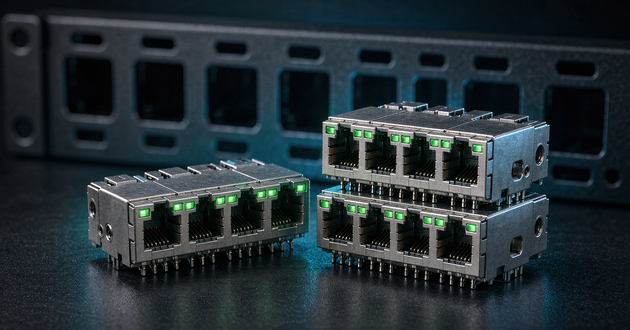
This guide explains the key differences between Cat5e, Cat6 and Cat6A RJ45 connectors, helping you select the right option for different networking applications.
What Is an RJ45 Connector?
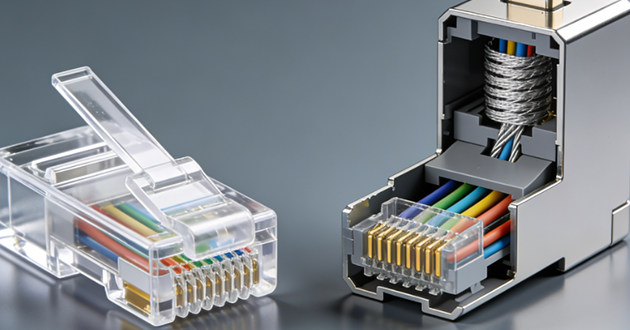
An RJ45 connector is an Ethernet interface designed to terminate or connect twisted-pair cables in wired network systems. It is widely used in switches, routers, servers, industrial devices and PoE equipment for reliable data communication.
Although RJ45 connectors use the same 8P8C interface, their designs can differ based on network performance requirements. Cable category, shielding, contact quality and operating conditions all affect connector selection for applications ranging from office networks to high-speed and industrial Ethernet systems.
If you are terminating cables for the first time, follow this step-by-step guide to connect a Cat6 RJ45 connector easily before choosing your connector category.
Cat5e vs Cat6 vs Cat6A RJ45 Connector: Key Differences
Does RJ45 Connector Category Really Affect Ethernet Performance?
Ethernet performance is not determined by the cable alone. The RJ45 connector also influences how effectively signals are transferred through the network link. Connector quality, contact design and compatibility with the cable structure can affect signal loss, crosstalk control and connection stability, especially in high-speed Ethernet systems.
In enterprise networks, industrial equipment and PoE applications, choosing the right connector is important to maintain reliable operation over time.
Why Connector and Cable Compatibility Matters
An RJ45 connector should be selected according to the cable category, conductor size and intended application. For example, a Cat6 cable terminated with a connector that does not support the same performance level may limit the link capability and lead to unstable connections or failed certification tests.
Cat6 and Cat6A systems typically require connectors designed for higher-frequency signals and better crosstalk performance, allowing the complete Ethernet link to operate closer to its intended specifications.
| Feature | Cat5e RJ45 Connector | Cat6 RJ45 Connector | Cat6A RJ45 Connector |
| Maximum Data Rate | Up to 1Gbps | Up to 10Gbps (short-distance applications) | Up to 10Gbps |
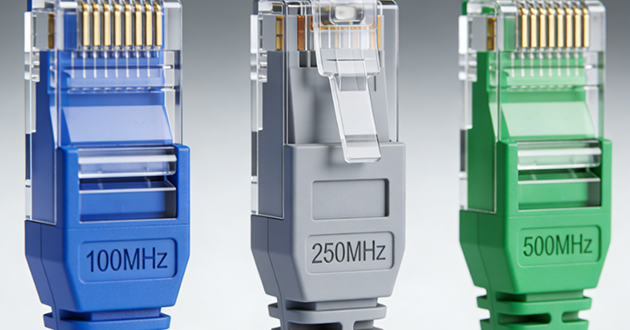
| Operating Frequency | 100MHz | 250MHz | 500MHz |
| Recommended Cable Category | Cat5e UTP/FTP cable | Cat6 UTP/FTP cable | Cat6A UTP/FTP cable |
| Maximum Transmission Distance | 100m for 1Gb Ethernet | Up to 100m (10Gbps typically up to 55m depending on crosstalk) | 100m for 10Gb Ethernet |
| Crosstalk Control | Standard noise control for basic Ethernet networks | Improved pair separation and signal performance | Enhanced crosstalk suppression for high-frequency transmission |
| Connector Design Requirements | Standard RJ45 design for general networking | Improved contact alignment and cable compatibility | Higher precision design for larger conductors and better signal integrity |
| Typical Applications | Home networks, offices, basic Ethernet devices | Enterprise switches, servers, commercial networks | Data centers, industrial Ethernet, high-performance networks |
Shielded vs Unshielded RJ45 Connector: Which One Do You Need?
Shielded and unshielded RJ45 connectors are designed for different networking environments. The main difference lies in their ability to reduce electromagnetic interference (EMI) and maintain signal stability. Shielded RJ45 connectors are typically used in environments with higher electrical noise, while unshielded options are suitable for standard networks with fewer interference sources.
The choice between shielded and unshielded RJ45 connectors depends on the operating environment rather than network speed alone. For installations near motors, power equipment or other sources of interference, a shielded RJ45 connector can provide better signal protection. In cleaner environments, an unshielded connector is often sufficient and offers a more cost-effective solution.
| Feature | Shielded RJ45 Connector | Unshielded RJ45 Connector |
| EMI Protection | Better EMI and crosstalk protection for high-interference environments | Suitable for low-interference network environments |
| Cable Compatibility | Used with FTP, STP and S/FTP cables | Mainly used with UTP cables |
| Ethernet Category | Commonly used in Cat6/Cat6A networks (up to 500MHz) | Commonly used in Cat5e/Cat6 networks (up to 250MHz) |
| Installation Environment | Industrial Ethernet, automation, PoE and outdoor systems | Offices, homes and standard Ethernet networks |
| Typical Applications | Factory equipment, switches, industrial devices | PCs, routers, switches and general networking |
Cat5e vs Cat6 vs Cat6A RJ45 Connector Applications
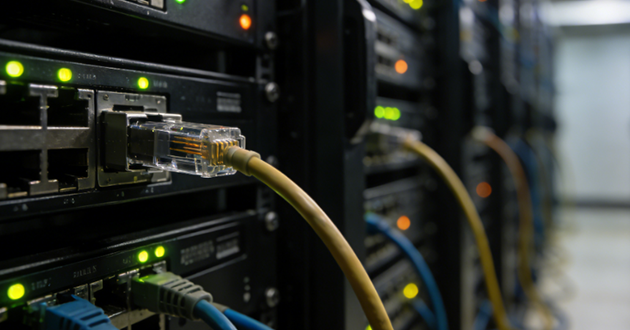
The best RJ45 connector choice depends on the network environment, cable category and equipment requirements. While Cat5e, Cat6 and Cat6A connectors share the same RJ45 interface, their internal design and performance capability make them suitable for different applications.
1. Home Networking
Cat5e RJ45 connectors are commonly used in residential networks where Gigabit Ethernet is enough for daily applications such as internet access, streaming and smart devices. In these environments, cost efficiency and easy installation are usually more important than advanced shielding or higher-frequency performance.
2. Office and Enterprise Networks
Cat6 RJ45 connectors are widely used in office environments that require stable connections for switches, computers and communication systems. Compared with Cat5e, Cat6 designs provide better control of crosstalk and are more suitable for networks with higher data traffic.
3. Industrial Ethernet Systems
Industrial applications place greater demands on connector reliability due to vibration, electromagnetic interference and continuous operation requirements. Shielded Cat6 or Cat6A RJ45 connectors are often selected for automation equipment, control systems and industrial networking devices.
For these applications, connector options such as metal shielding, LED indicators, different mounting structures and enhanced contact designs may be required to match specific equipment layouts.
4. Data Center and High-Speed Networks
Cat6A RJ45 connectors are commonly used in high-speed Ethernet systems requiring 10Gb transmission capability. Compared with lower-category connectors, Cat6A designs focus more on signal integrity, crosstalk control and compatibility with higher-frequency networks.
In equipment such as servers and network switches, connector selection may also involve factors such as port density, PCB layout and thermal considerations.
If you are planning a high-speed upgrade, compare SFP vs RJ45 to decide which interface fits your network before finalizing your equipment list.
5. PoE Security and IoT Applications
PoE applications combine data transmission and power delivery through the same Ethernet connection. Devices such as IP cameras, wireless access points and industrial gateways often require RJ45 connectors with integrated magnetics to provide electrical isolation and stable signal transmission.
For PoE networking equipment, connector design considerations may include power handling capability, magnetic configuration and EMI performance.
How to Choose the Right RJ45 Connector?
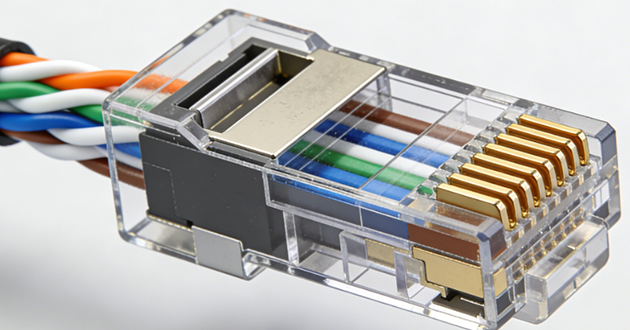
Choosing an RJ45 connector involves more than selecting a network category. Cable type, transmission requirements, installation conditions and device structure all affect whether a connector can work reliably in the final system.
1. Match the Connector with the Cable Category
The connector should be compatible with the Ethernet cable used in the application. Cat5e cables are commonly paired with Cat5e connectors, while Cat6 and Cat6A networks typically use connectors designed for higher frequencies and improved crosstalk control.
A mismatch between cable and connector specifications can reduce the capability of the entire Ethernet link, even if the cable itself supports higher performance.
2. Consider Required Network Speed
The expected data rate is another important factor. Cat5e connectors are widely used in Gigabit Ethernet networks, while Cat6 and Cat6A connectors are more suitable for applications requiring higher bandwidth, including 10Gb Ethernet.
For systems planned for future upgrades, selecting a connector with additional capacity can provide more flexibility.
3. Choose Based on the Operating Environment
Environmental conditions influence whether shielding is necessary. Unshielded RJ45 connectors are commonly used in offices and residential networks where interference levels are low.
In industrial environments with motors, automation equipment or power systems, shielded connectors help reduce EMI effects and support more stable communication.
4. Check Device Integration Requirements
The connector design must also fit the equipment itself. PCB applications may involve different mounting options such as through-hole or SMT, while networking devices may require features like integrated magnetics, LEDs or PoE capability.
Factors such as PCB layout, port arrangement, mechanical space and electrical requirements should be considered before finalizing the connector design.
For panel-mounted or board-mounted designs, see how to choose the best RJ45 female connector for your network to match your device requirements.
FAQ About Cat5e, Cat6 and Cat6A RJ45 Connectors
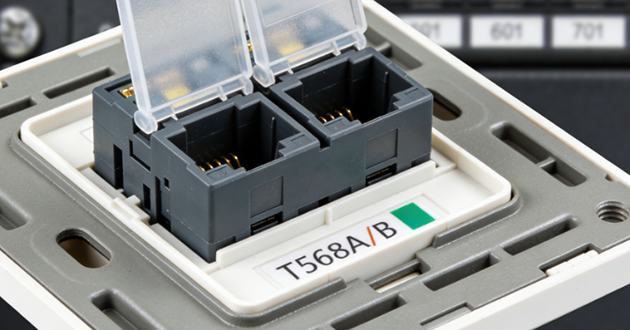
1. Are Cat5e and Cat6A connectors the same?
Cat5e and Cat6A connectors use the same RJ45 interface, but they are designed for different transmission requirements. Cat6A connectors are built to support higher-frequency networks, typically up to 500MHz, with better control of crosstalk and signal integrity.
Although they may look similar externally, Cat6A connectors are designed to work with Cat6A cables and higher-performance Ethernet systems. Using a connector that does not match the cable category may limit the capability of the complete network link.
2. Is Cat6A overkill for home use?
For most home networks, Cat6A is usually more than required. Cat5e already supports Gigabit Ethernet, while Cat6 can handle common applications such as streaming, gaming and smart home devices.
However, Cat6A can be a good option for new installations that need future upgrades, higher bandwidth, longer cable runs or advanced home networking equipment. The choice depends on long-term requirements rather than current usage alone.
3. Does it matter what RJ45 connector I use?
Yes. Although many RJ45 connectors share the same physical interface, their design, cable compatibility and shielding performance can affect network reliability.
The connector should match the cable category, conductor size and application environment. For example, high-speed Ethernet or industrial networks may require connectors with better crosstalk control, shielding or magnetic components.
4. How much better is Cat6A than Cat5e?
Cat6A provides significantly higher transmission capability compared with Cat5e. Cat5e supports up to 100MHz bandwidth and is commonly used for Gigabit Ethernet, while Cat6A supports up to 500MHz and is designed for 10Gb Ethernet applications over longer distances.
The main advantages of Cat6A include better crosstalk control, higher frequency performance and improved support for future network upgrades.
5. Can you put Cat5 cable into a Cat6A connector?
In many cases, a Cat5 or Cat5e cable can physically fit into a Cat6A RJ45 connector because they use the same RJ45 interface. However, the final network performance will still be limited by the lowest-rated component in the link.
For best results, the connector should match the cable category and conductor specifications to ensure proper termination, signal quality and network reliability.
To make sure every termination reaches its rated performance, wire your cables correctly with the RJ45 pinout guide 2026.
Conclusion
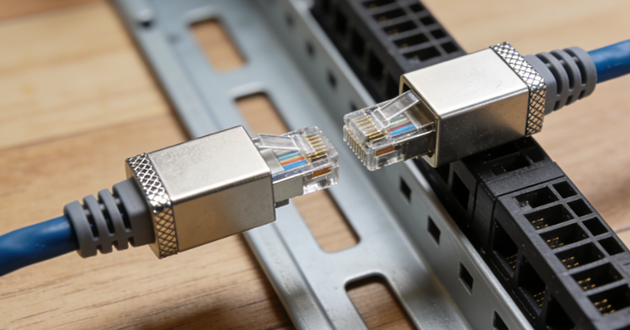
Cat5e, Cat6 and Cat6A RJ45 connectors are designed for different network requirements. Understanding factors such as transmission speed, shielding, compatibility and installation conditions helps avoid performance limitations and connection issues. By selecting the right connector for the cable and application, networks can achieve better reliability and long-term stability.