If you work with network hardware long enough, you’ll eventually run into two similar-sounding terms: SFP and SFF. One shows up on transceiver labels and switch front panels, the other in standards documents and datasheets for connectors, drive bays, and server chassis. They’re related, but not interchangeable—and mixing them up can lead to confusion when you’re selecting modules, reading specs, or designing a board.
This article breaks down what an SFP module actually is, what SFF really means, how they relate to each other, and how to choose between pluggable SFP modules and fixed SFF components in real-world designs.
What Is an SFP Module?
An SFP (Small Form-factor Pluggable) module is a compact, standardized transceiver used to connect network devices—such as switches, routers, and media converters—to fiber or copper cabling. It sits at the edge of the hardware, linking the circuitry on the circuit board to the physical network medium by converting electrical signals into optical or electrical signals as needed. Because SFP modules follow well-defined SFF specifications for size, pinout, and electrical behavior, compatible modules from different vendors can usually be used in the same SFP slot, giving designers a consistent, predictable interface to work with.

One of the main advantages of using an SFP module is that it is hot-swappable and field-replaceable: you can insert, remove, or upgrade it without powering down the device, which simplifies everyday maintenance and troubleshooting. Its modular design also means a single SFP port can support copper or fiber, single-mode or multi-mode, and a wide range of link distances—from a few hundred meters to many kilometers—simply by selecting the appropriate module. In practice, this makes SFP-based ports a versatile way to adapt a single physical interface to different cabling options and evolving network requirements.
Common SFP port family variants
|
Variant |
Typical Speed |
Description |
|
SFP |
1 Gbps |
Classic Gigabit Ethernet pluggable transceiver form factor. |
|
10 Gbps |
Same size as SFP, supports 10GbE and similar 10G protocols. |
|
|
25 Gbps |
SFP form factor optimized for 25G links. |
|
|
40 Gbps |
“Quad” SFP form factor aggregating 4×10G lanes. |
|
|
QSFP28 |
100 Gbps |
Higher-speed quad form factor, typically 4×25G lanes. |
What Is an SFF?
SFF (Small Form-factor) is a broad term used to describe compact hardware designs and the standards that govern them. Unlike an SFP, which is a specific type of pluggable transceiver, SFF is more like a category label that appears across networking, storage, and server products. It usually refers to small, high-density form factors chosen when PCB space is limited, connector density needs to be high, or the overall system needs to be physically compact—for example in NICs, transceiver footprints, storage backplanes, and slim server chassis or drive bays.
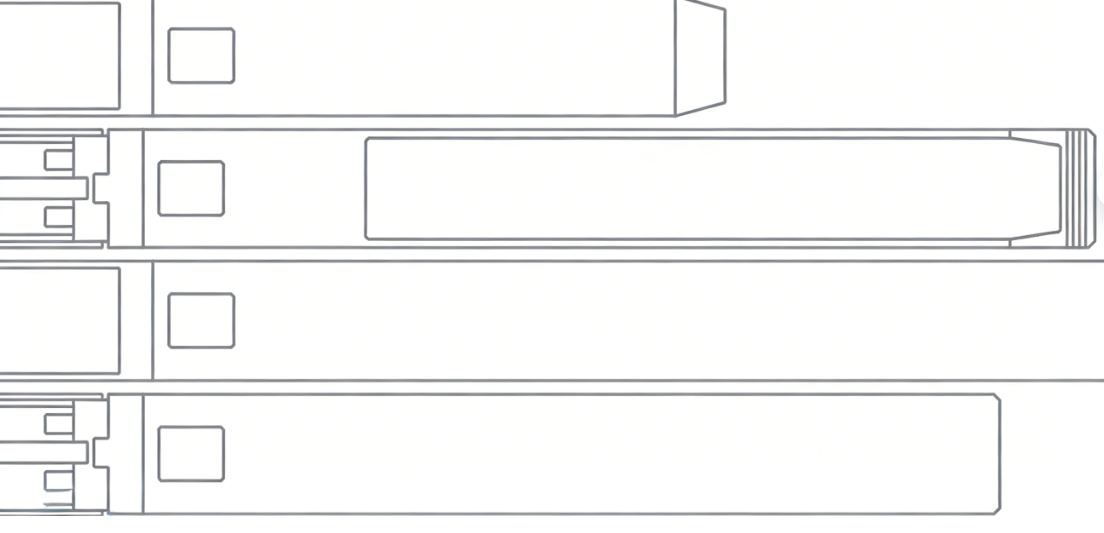
SFF itself is not a single product or module. Instead, you’ll see SFF used as a prefix in many standard numbers that define how certain components should be built: their size, connector layout, mechanical outline, and electrical interface. These SFF specifications give vendors a common blueprint for designing interoperable connectors, modules, and enclosures. In simple terms, you can buy an SFP module as a concrete device, but “SFF” usually refers to the wider family of small form-factor standards and design rules from which devices like SFP are defined.
Where you see SFF in practice
|
Name/Standard |
Type |
Description |
|
SFF-8074 |
Transceiver standard |
Defines the SFP transceiver form factor, including key mechanical and electrical aspects. |
|
SFF-8432 |
Transceiver mechanical |
Mechanical standard for SFP+ modules (dimensions, latch, cage, and related details). |
|
SFF-8643 |
Storage connector |
Internal mini-SAS connector standard used for SAS/SATA storage backplanes. |
|
SFF drive bays |
Server/storage form factor |
Commonly used to describe 2.5-inch “small form-factor” server drives and the chassis that hold them. |
|
SFF servers |
System form factor |
Compact server systems designed for high-density racks or shallow-depth cabinets. |
So while SFP port is a specific plug-in transceiver you can hold in your hand, SFF is the broader umbrella of small, standardized hardware formats—including the standards that define SFP itself.
SFP Port vs SFF: Key Differences
Quick comparison
|
Aspect |
SFP (Small Form-factor Pluggable) |
SFF (Small Form-factor) |
|
Scope |
A specific type of pluggable transceiver module |
A broad category of small form-factor standards and components |
|
Replaceability |
Hot-swappable, user-replaceable |
Many SFF parts are soldered or internal, not intended for user replacement |
|
Design goal |
Flexibility and field-upgradability (change media, speed, distance) |
High density, lower cost, and reliability in compact designs |
|
Relationship |
Defined by SFF standards (e.g., SFF-8074, SFF-8432) |
Includes the standards that define SFP, plus many other non-SFP devices |
Scope
An SFP (Small Form-factor Pluggable) module is a very specific piece of hardware: a compact, pluggable transceiver that provides the physical link interface for network devices. By contrast, SFF (Small Form-factor) is a broader concept used to describe compact hardware designs and the standards that govern them. In other words, an SFP module is a clearly defined product type, while SFF is an umbrella term that covers many kinds of small connectors, modules, and mechanical formats used in networking, storage, and server systems.
Replaceability
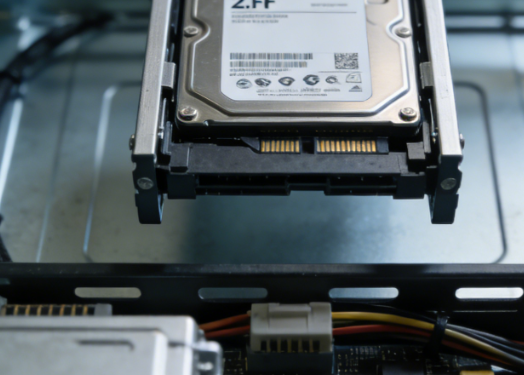
A key characteristic of an SFP module is that it is hot-swappable and designed for field replacement. You can insert or remove an SFP while the device is still powered on, which makes link upgrades, troubleshooting, and module changes much simpler. Many SFF-based components, however, are never meant to be handled by the end user—they may be soldered directly onto the PCB or hidden inside the chassis. Those parts are chosen for integration and long-term stability rather than ease of swap-out in the field.
Design Goal
The primary design goal of the SFP port is flexibility. By changing the module, a single port can support fiber or copper, single-mode or multi-mode, and a range of speeds and distances, all without modifying the underlying hardware. SFF, on the other hand, is driven by miniaturization and standardization. SFF standards define dimensions, interfaces, and mechanical details so that components can be made smaller and denser, and integrated more easily into space-constrained or complex systems, while still balancing cost and reliability.
Relationship
An SFP module is essentially one specific member of the wider SFF family: its form factor, pinout, and electrical behavior are defined by SFF standards such as SFF-8074 and related documents. In that sense, every SFP module is a small form-factor device built according to SFF rules. However, the SFF ecosystem goes far beyond SFP port and also includes storage connectors, internal cabling, drive bays, and many other compact components. In short, all SFP modules fall under the SFF umbrella, but most SFF devices are not SFPs.
Practical Scenarios: When SFP/SFF Cage Matters
1. Designing or Selecting Switches/Routers
When you’re choosing switches or routers, a key question is whether you need pluggable ports. If you want the flexibility to change link type or speed later, it’s worth picking devices with SFP or SFP+ slots rather than only fixed RJ45 or fixed optical ports. With an SFP-based interface, you can decide later whether that port uses copper, short-reach multimode fiber, or long-distance single-mode fiber simply by installing a different SFP module.
2. Building Line Cards or NICs
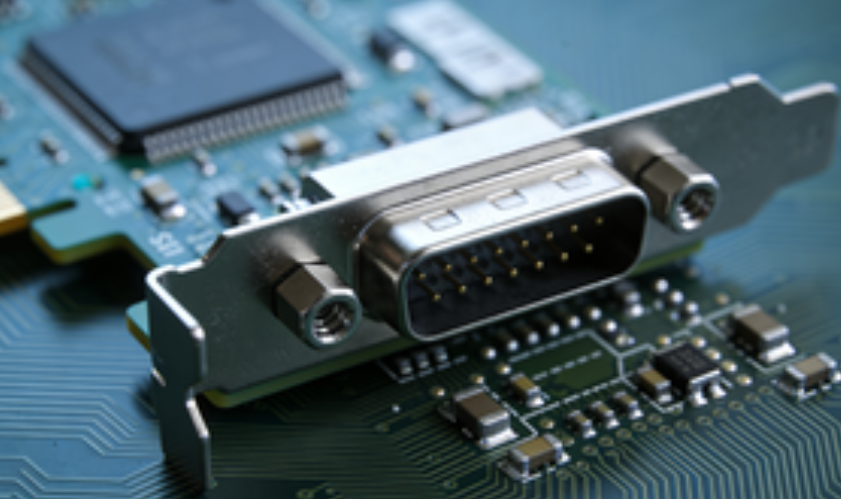
For line cards or NICs inside a product, the design trade-offs are a bit different. In high-volume, cost-sensitive designs where the interface is well defined and unlikely to change, it’s often more effective to use soldered SFF components instead of pluggable SFP cages. Integrating the PHY or transceiver directly on the board can lower BOM cost, save PCB space, and remove the extra mechanics of cages and latches—though you lose the flexibility to swap modules in the field.
3. Planning for Future Upgrades
If you expect the network to evolve, using SFP modules gives you a built-in upgrade path. When you know you’ll eventually move from copper to fiber, or from 1G to 10G, but don’t want to replace the entire chassis or line card, choosing SFP/SFP+ ports from the start makes life much easier. You can introduce higher speeds or new media types gradually by changing the modules, instead of redesigning the hardware or pulling out existing equipment.
4. Reading and Interpreting Datasheets
The distinction between SFP and SFF also matters when you’re reading datasheets. A term like “SFP module” refers to a pluggable transceiver that can be swapped in the field. Phrases such as “SFF-xxxx compliant connector” usually describe a specific small form-factor connector or interface standard, while “SFF chassis” often means a compact server or enclosure form factor. Knowing this terminology helps you quickly see whether you’re dealing with something the user can plug and unplug, or a fixed building block hidden inside the design.
How to Choose SFP/SFF Modules?
When you’re deciding between an SFP-based design and other SFF components, it helps to start with a few practical questions: Do you need interfaces that can be upgraded in the field and swapped without shutting the device down? Is future scalability important—for example, being able to change speed or move from copper to fiber later? Or is your main goal to keep cost and hardware design as simple as possible, even if that means sacrificing some flexibility? Your answers will naturally guide you toward either using SFP modules or fixed SFF solutions.

You’ll typically choose an SFP-based design when flexibility is a priority. If you expect link types to change over time—such as upgrading from 1G to 10G, or mixing fiber and copper on the same platform—having SFP or SFP+ ports lets you adapt without redesigning the board. SFP modules are also a strong fit for environments like data centers and telecom sites, where technicians regularly swap modules to fix issues, change link distance, or add capacity with minimal downtime.
On the other hand, non-pluggable SFF components are usually the better choice when requirements are stable and you’re shipping in volume. In an appliance where the interface speed and medium are essentially fixed for the product’s lifetime, soldered SFF transceivers or connectors can reduce cost, save PCB space, and eliminate mechanical parts like cages and latches that might wear out. This approach works well for embedded systems, OEM boards, and devices where the user only ever interacts with the external cable, not the hardware behind it.
A simple way to think about it is this: use SFP modules for ports you want users or field engineers to be able to change, and use other SFF components when you just need compact, permanent hardware integrated into the design.
Read more:
https://www.glgnet.biz/articledetail/what-are-msa-standards-and-msa-sfp.html
Conclusion
At a high level, the distinction is simple: an SFP module is a specific, pluggable transceiver you can hold in your hand, while SFF is the broader small form-factor ecosystem of standards, connectors, and compact hardware designs that SFP belongs to. SFP focuses on flexibility—hot-swappable, field-upgradable ports that can change media, speed, or distance with a module swap. SFF focuses on making hardware smaller, denser, and standardized, whether that hardware is pluggable or permanently soldered in place.