

For IP cameras, DVR/NVR systems and smart security equipment, GLGNET provides reliable
RJ45 connector, PoE and custom connector solutions that support continuous video
transmission and stable device operation.


Reliable Ethernet connectivity supports the continuous transmission requirements of high-definition video surveillance.
Integrated data transmission and power delivery simplify the deployment of security devices.
Product design and testing validation support help meet the requirements of different security devices.
GLGNET provides reliable connectivity solutions for smart security systems, supporting continuous video transmission and stable equipment operation across different security devices.
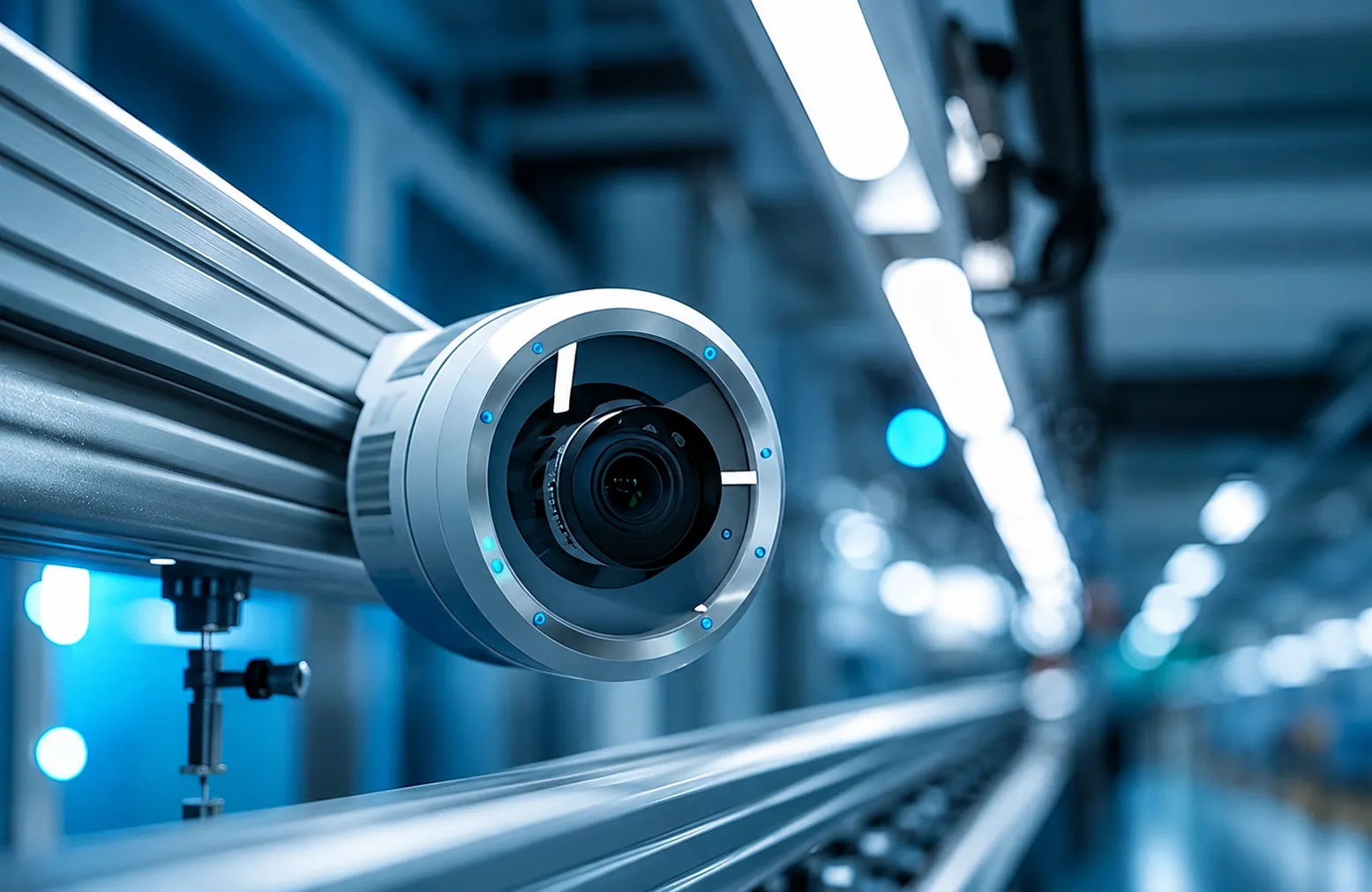
GLGNET provides RJ45 connector and PoE RJ45 connector solutions for high-definition video transmission, device power delivery and continuous 24/7 security monitoring.

Reliable ethernet connector interfaces support video data transmission, device communication and long-term operation of surveillance recording systems.
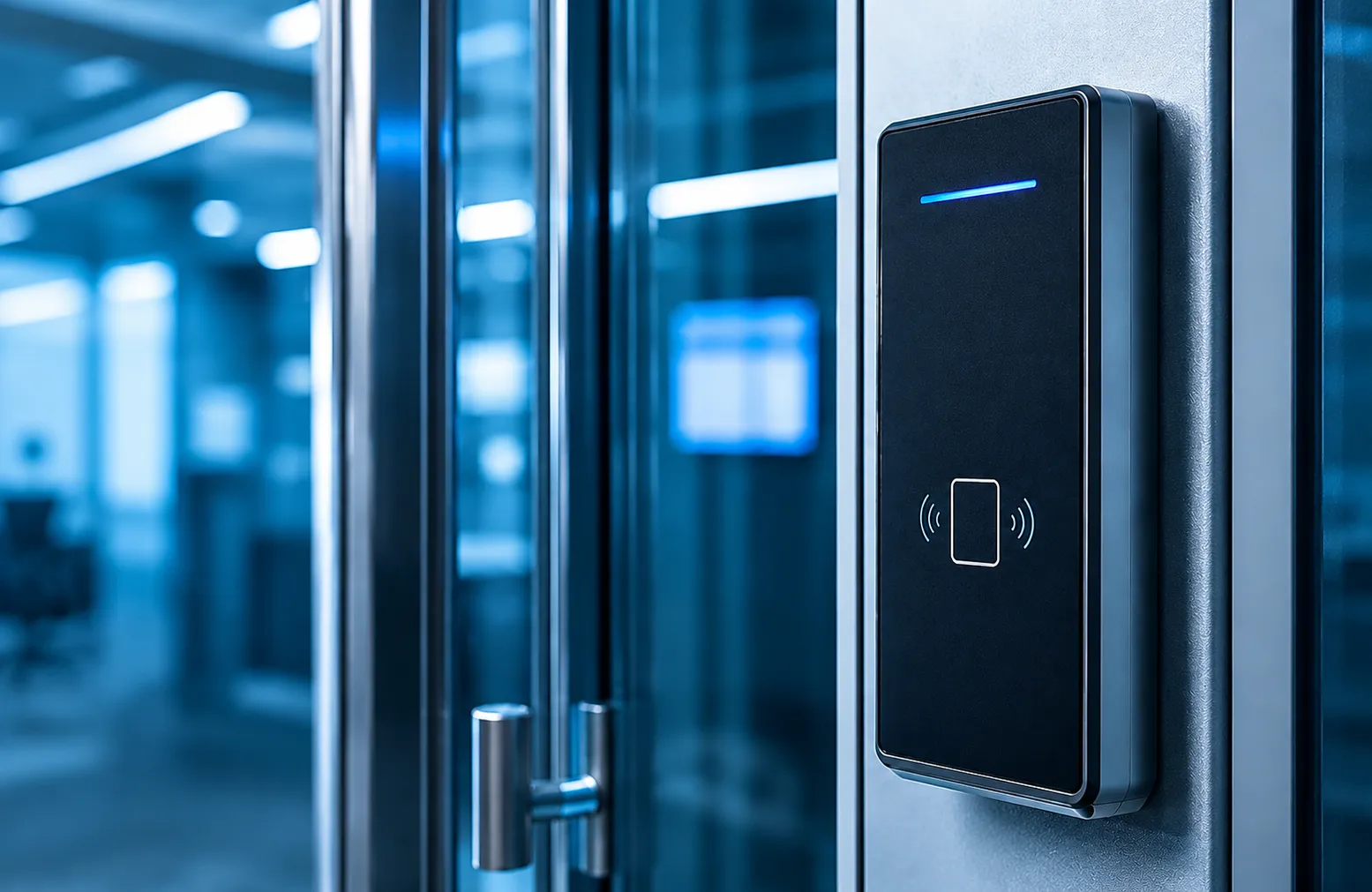
Stable network interfaces support smart access control, identity verification systems and connected security devices requiring reliable data communication.

High-reliability industrial ethernet connector solutions support large surveillance systems, multi-device networking and complex security deployment environments.
As smart security systems continue to evolve, their connections must support stable data transmission, continuous power delivery and long-term reliable operation.
Security devices usually operate continuously, so their connectivity solutions must maintain stable data transmission over extended periods.
High-definition surveillance generates large amounts of data, requiring stable connections to reduce the risks of latency and packet loss.
An increasing number of surveillance cameras use PoE technology, requiring connectors that support both network communication and power delivery.
Security devices vary in interface layout, mounting method and available installation space, requiring flexible connectivity solutions.
GLGNET combines connector development experience with manufacturing capabilities to provide stable, reliable and adaptable security connectivity solutions.
To meet the data stability requirements of security systems, GLGNET uses reliable RJ45 connection designs to support continuous, high-quality data transmission.
For IP cameras and other PoE-enabled devices, GLGNET provides connector solutions that support both data transmission and power delivery, helping simplify device deployment.
Based on each customer’s product structure, interface design and application environment, GLGNET provides customized connector development support.
A comprehensive production and testing system helps ensure connector products meet the long-term operating requirements of security equipment.
Select the appropriate connectivity solution according to the device type, power requirements and application environment.
| Product Series | Primary Application | Product Features | Typical Equipment |
|---|---|---|---|
| RJ45 Jack / RJ45 Connector | Network data connection | Supports stable Ethernet communication with multiple structural options | IP cameras and DVR/NVR systems |
| Magnetic RJ45 Connector (Mag-Jack) | PoE network connection | Supports both data transmission and power delivery to improve system integration efficiency | PoE cameras and security gateways |
| Shielded RJ45 Connector | Industrial and complex-environment connectivity | Improves resistance to electromagnetic interference and supports stable communication | Outdoor surveillance and industrial security equipment |
| SFP Connector / SFP+ Connector | High-speed network connection | Supports higher-bandwidth network requirements | Large surveillance networks and data center security systems |
With connector development experience, professional engineering support and scalable manufacturing capabilities, GLGNET provides reliable connectivity support for smart security equipment.

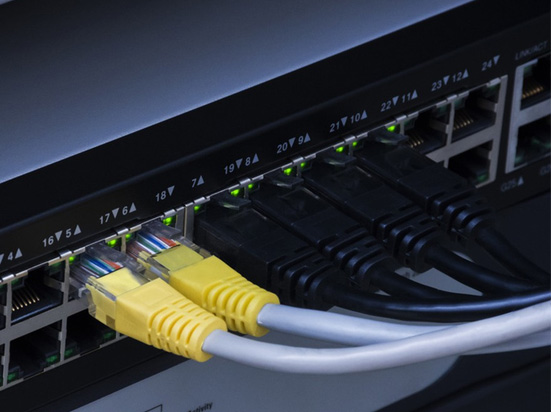


Security equipment manufacturers rely on GLGNET’s dependable connector products, engineering support and manufacturing capabilities to address their connectivity requirements.

GLGNET’s RJ45 connector solutions provide the stable connectivity our IP camera systems need for continuous video transmission. The products have also integrated smoothly into our device designs.

The PoE RJ45 connector solution supports both reliable data transmission and power delivery for our security cameras, helping us simplify product integration and equipment deployment.

GLGNET’s engineering team helped us develop custom connector solutions for the limited installation space in our surveillance equipment. Their technical support made the validation process much more efficient.

As an experienced RJ45 connector supplier, GLGNET provides dependable product quality, responsive engineering support and reliable production capabilities for our security equipment projects.
GLGNET provides RJ45 connectors, magnetic RJ45 connectors, shielded RJ45 connectors, SFP/SFP+ connectors and custom connector solutions for IP cameras, DVR/NVR systems, access control devices and security network equipment. These products support applications ranging from standard Ethernet communication and PoE connectivity to higher-bandwidth transmission and connectivity in complex operating environments.
The right choice depends on the circuit architecture, PoE requirements, available PCB space, transmission performance and mounting design of the IP camera. A standard RJ45 connector is suitable when the Ethernet magnetics are arranged separately on the circuit board, while a magnetic RJ45 connector integrates the magnetic components into the connector to simplify the interface design and improve integration. The final selection should be confirmed against the device’s electrical, mechanical and environmental requirements.
Yes. A PoE RJ45 connector can support network data transmission and electrical power through the same Ethernet connection when it is properly matched with the camera, power-sourcing equipment and applicable PoE requirements. This approach can reduce separate power cabling and simplify the installation of IP cameras, access control terminals and other connected security devices. Connector selection should still consider the required power level, data rate, thermal performance and long-term operating conditions.
A shielded RJ45 connector is generally recommended when security equipment operates near motors, power cables, wireless transmitters or other sources of electromagnetic interference. Its shielding structure can help manage EMI and support more stable Ethernet communication, especially in outdoor surveillance equipment, industrial security systems and electrically noisy installation environments. Reliable performance also depends on correct grounding, PCB design, cable shielding and the overall enclosure structure.
An Ethernet connector forms part of the physical transmission path between an IP camera and the security network, so its electrical performance, contact reliability, shielding and compatibility with the circuit design can influence connection stability. A properly selected connector helps maintain continuous data transmission and reduce connection-related risks such as intermittent communication or packet loss. Video quality also depends on the cable, network bandwidth, switch performance, camera settings and the overall network design, rather than on the connector alone.
Yes. GLGNET can provide custom connector solutions based on the interface layout, mounting method, PCB design, available installation space and application environment of the customer’s security equipment. Engineering support can cover structural design, interface optimization, sample validation, testing and preparation for mass production, helping the connector fit the product design without unnecessarily changing the device’s overall architecture.
An RJ45 connector manufacturer should verify connector performance through electrical, mechanical and environmental testing appropriate to the intended application. GLGNET evaluates connector performance through testing and production quality controls designed to support stable transmission and long-term use in security equipment. The specific validation plan should be matched to the connector model, device design, operating environment and customer requirements instead of relying on a single general test result.
We use cookies and other tracking technologies online. Please read our Cookie Policy, which is part of this Cookie Policy , and is incorporated herein by reference.