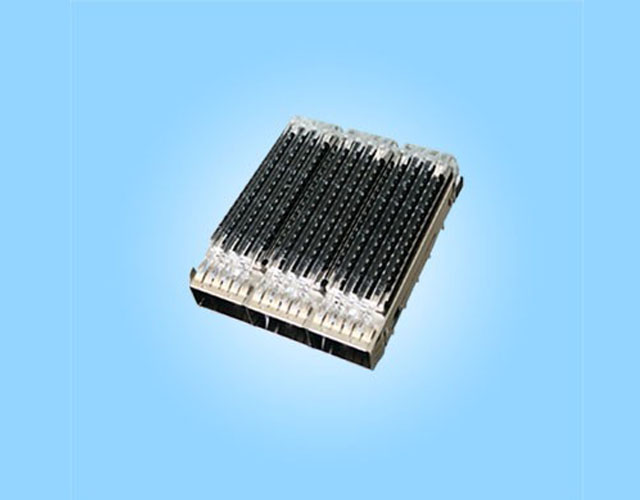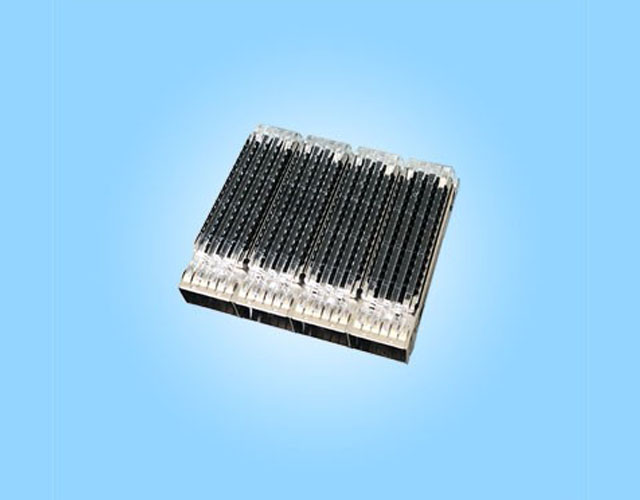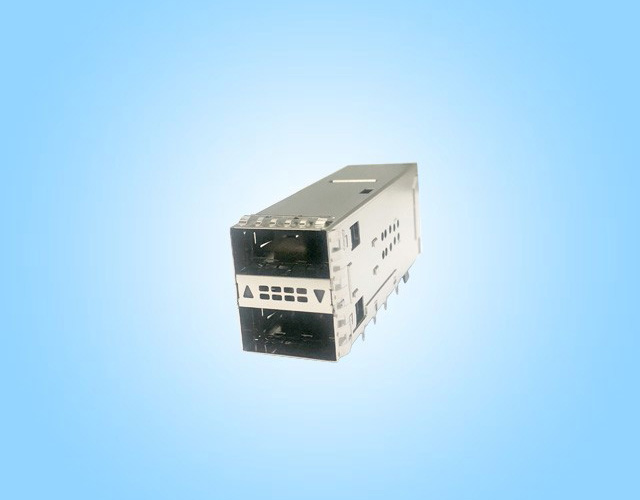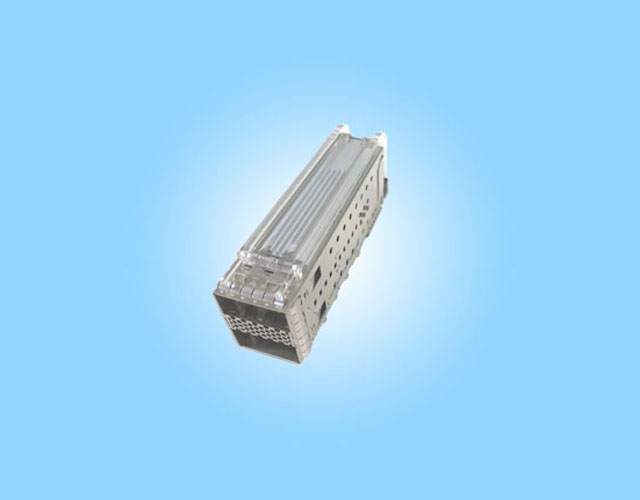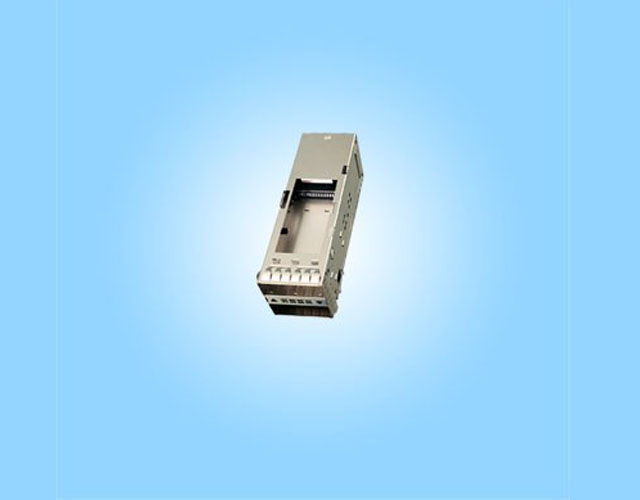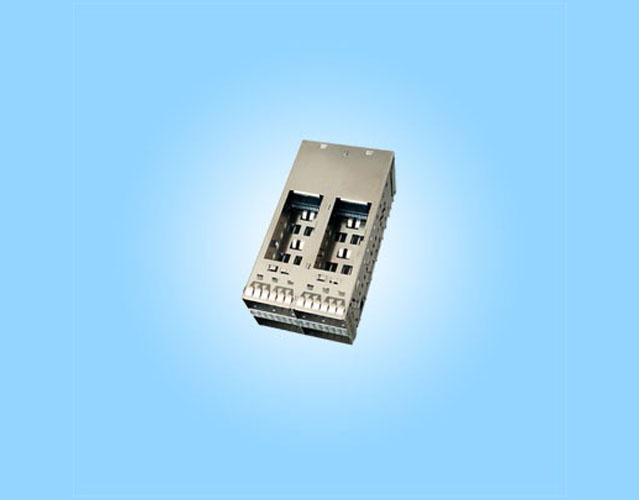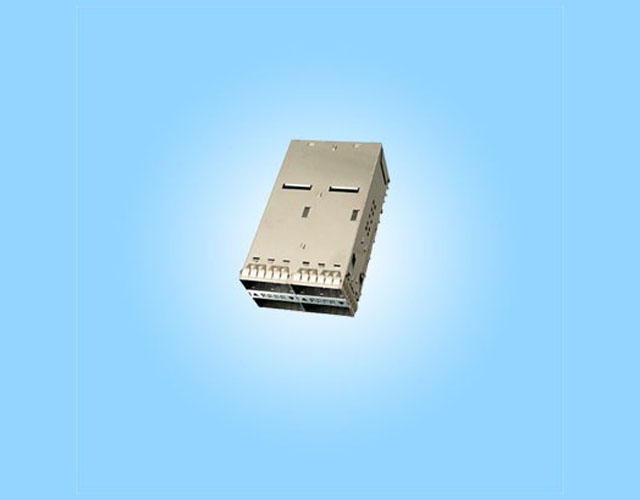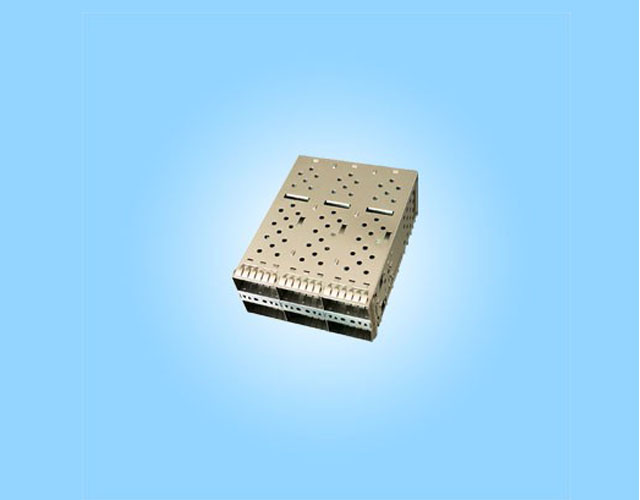
QSFP28 Connector2x3-P-B00 W-HS
QSFP28 Connector 2x3 Description
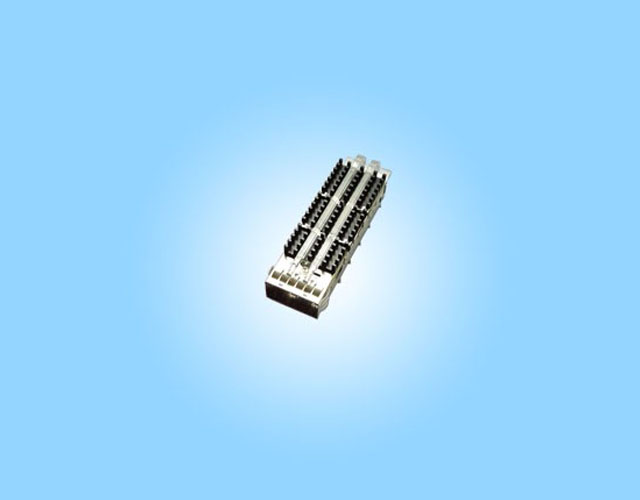
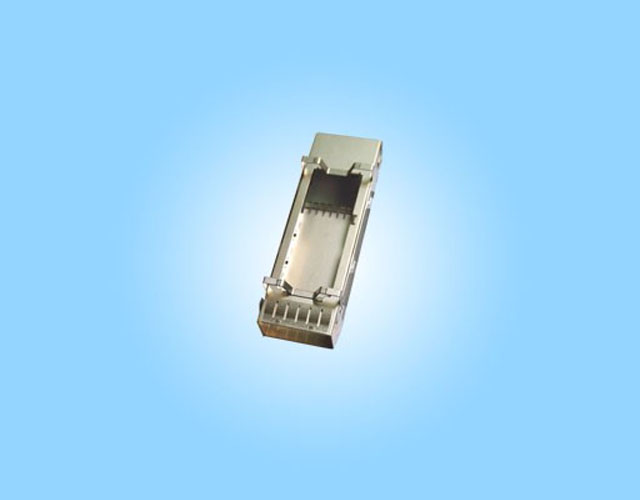
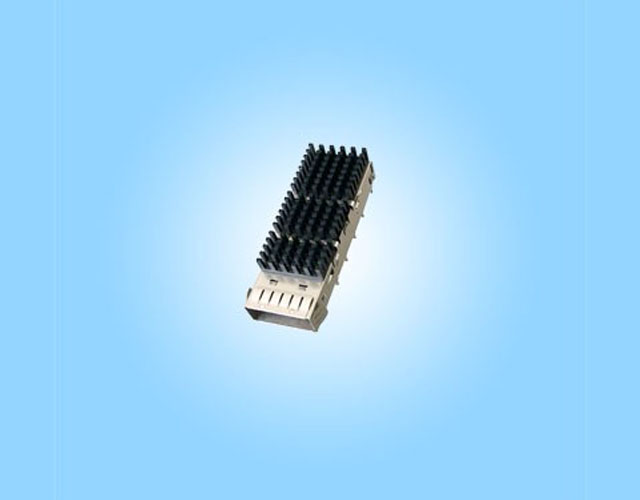
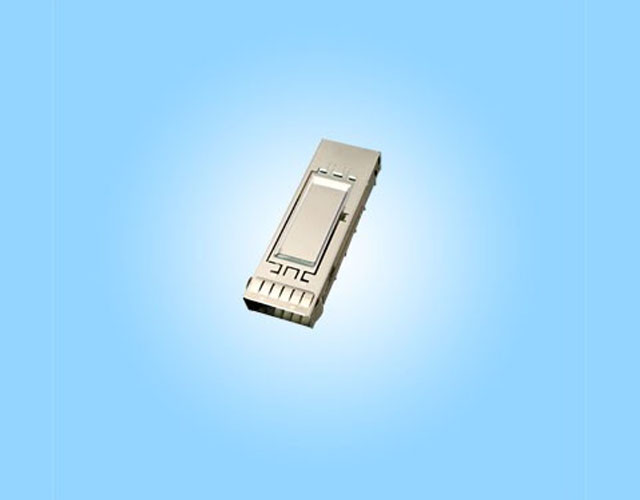
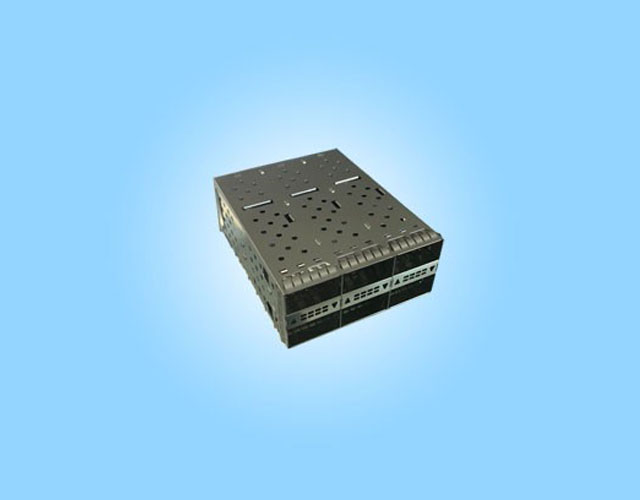
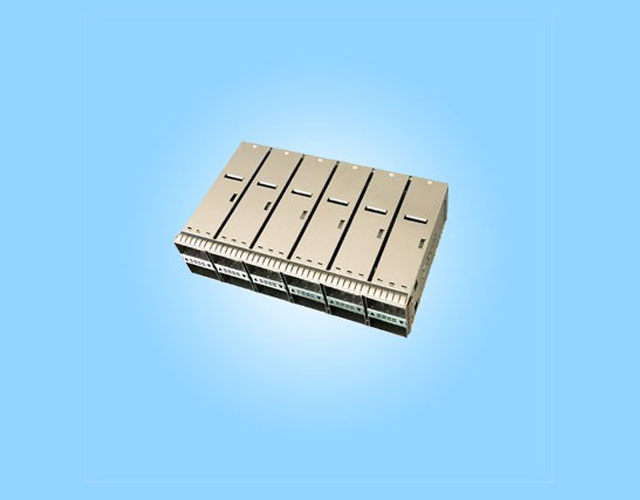
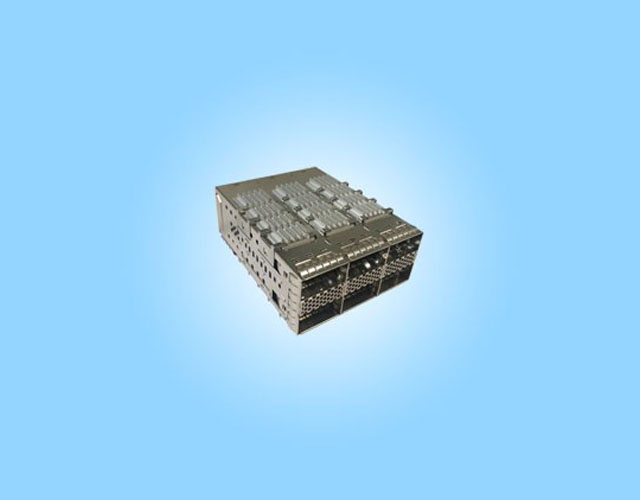
49067-00XXX1 is distinguished by a six-position stacked QSFP28 connector structure that gives full priority to thermal hardware, using an ALUMINUM heat sink without any light-pipe feature. Its 27.9 mm height makes that thermal build-up visually and mechanically more prominent than in lower-profile stacked cages, which gives the product a clearer heat-sink-first identity.
With 38 circuits per port, 0.8 mm pitch, press-fit mounting, and an EMI finger, the cage remains aimed at dense QSFP28 integration rather than just mechanical size. For designs that want a 2x3 stacked QSFP28 cage with a stronger heat-sink presence and no added visibility components, this model is the more dedicated thermal version.
GLGNET QSFP28 2x3-P-B00 W-HS Specification
| Parameter | Specification |
|---|---|
| Model | 49067-00XXX1 |
| Product Name | QSFP28 2x3-P-B00 W-HS |
| Product Type | 2x3 Stacked QSFP28 Cage with Heat Sink |
| Number of Ports | 2x3 |
| Number of Lanes | 4 Lane/Port |
| Number of Circuits | 38 Circuits/Port |
| Data Rate | 28Gbps Max |
| Pitch | 0.8 mm |
| Dimensions | 73 x 59.05 x 27.9 mm |
| Depth | 73 mm |
| Width | 59.05 mm |
| Height | 27.9 mm |
| EMI Finger | Yes |
| Light Pipe | No |
| Heat Sink | ALUMINUM |
| Mounting | Press Fit |
| Operating Temperature | -40°C to +85°C |
Quality Certification



Key Advantages of QSFP to RJ45 Connectivity
Built around a four-lane interface, QSFP-DD cage delivers higher aggregate bandwidth than single-lane pluggable formats and is widely used where uplink capacity, port efficiency, and dense high-speed connectivity matter most.


QSFP+ Cage Applications in High-Bandwidth Networks
QSFP+ cage is commonly used where multi-lane bandwidth is needed in a compact module format, especially in systems that rely on high-capacity uplinks, dense switching fabrics, and heavier east-west traffic.
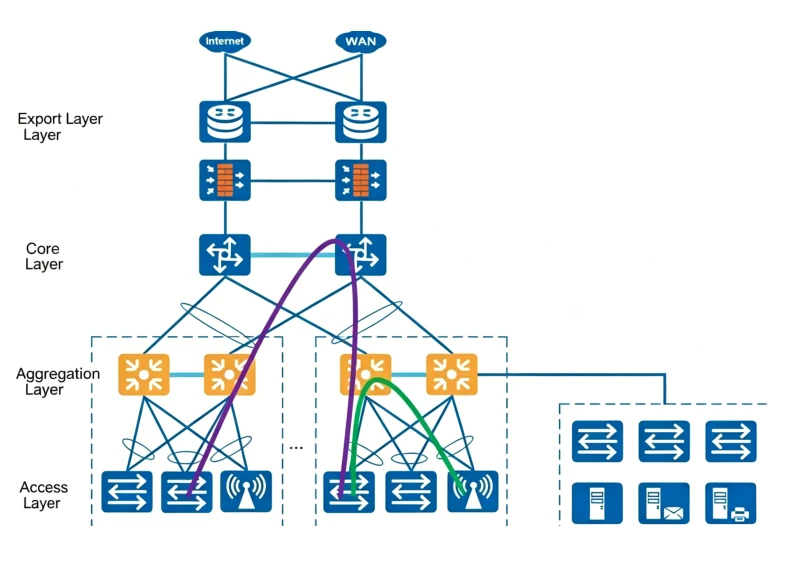
Switch Uplinks and Aggregation Links
QSFP is widely used on uplink and aggregation ports where traffic from many lower-speed access ports must be concentrated into fewer higher-bandwidth interfaces.
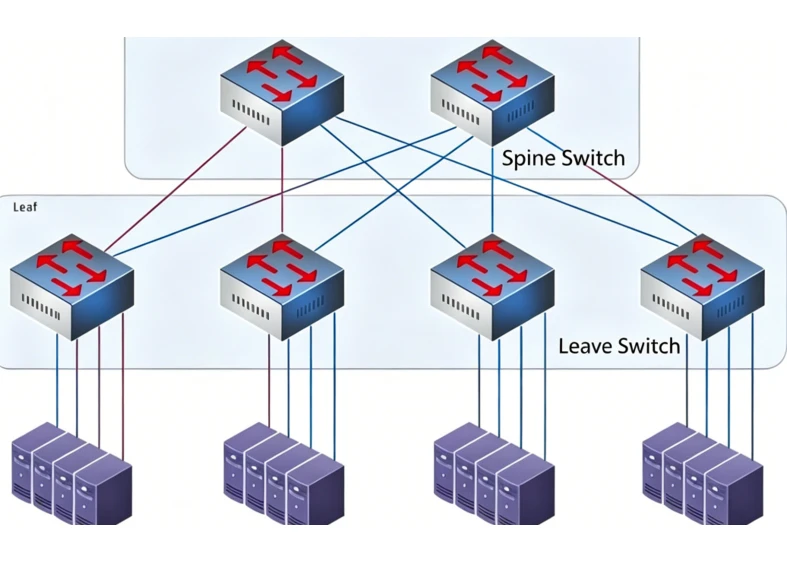
Leaf-Spine and Data Center Fabrics
In data center switching architectures, QSFP fits naturally into fabric-facing connections that require higher throughput and efficient lane-based interconnect design.
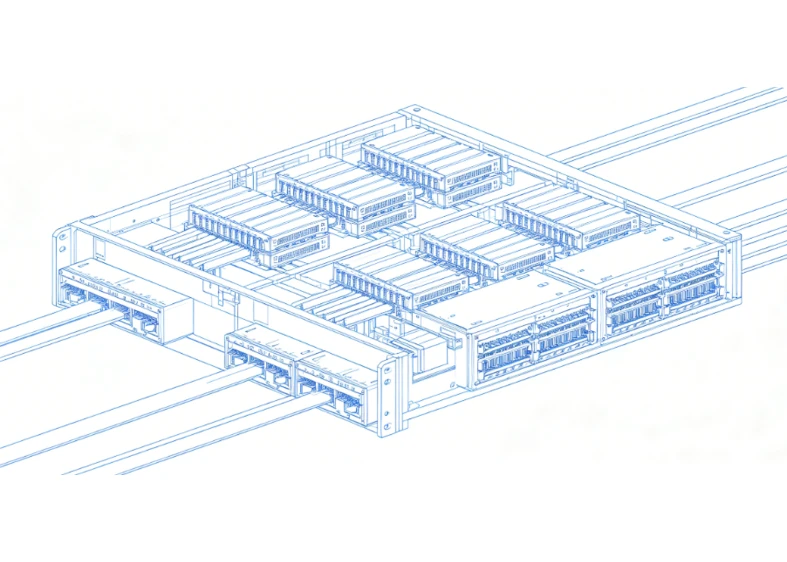
High-Performance Storage and Backend Interconnects
QSFP cage is also suitable for backend fabrics that move large data sets between storage nodes, controllers, and high-throughput equipment where wider links are preferred.
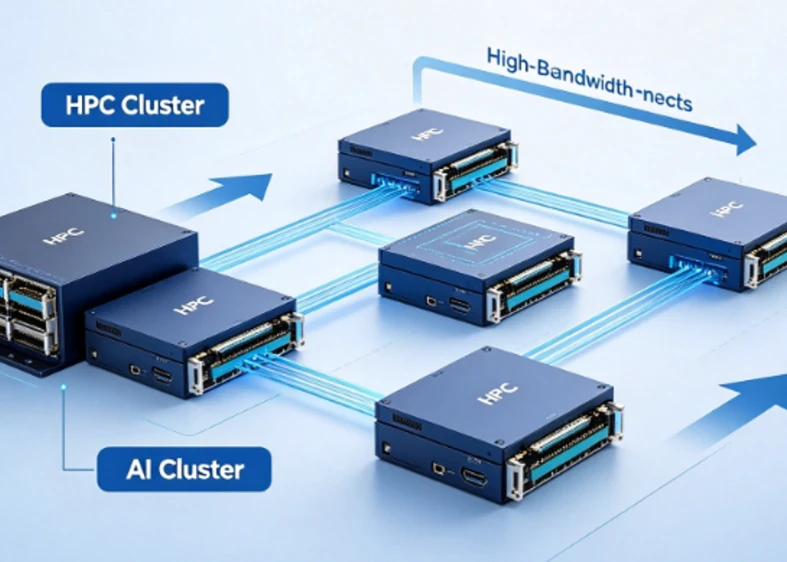
HPC, AI, and Compute Clusters
Compute-heavy platforms such as HPC and AI clusters often need denser high-bandwidth node-to-node connectivity, making QSFP a practical option for multi-lane system interconnects.