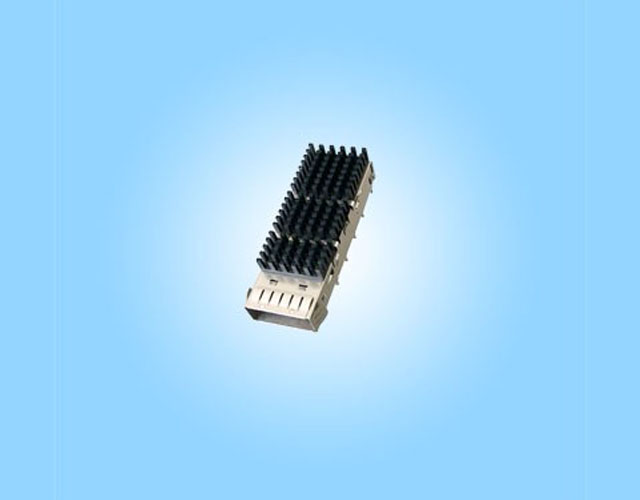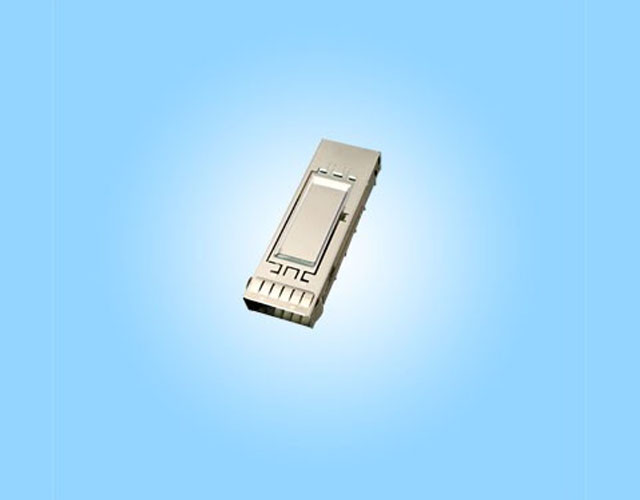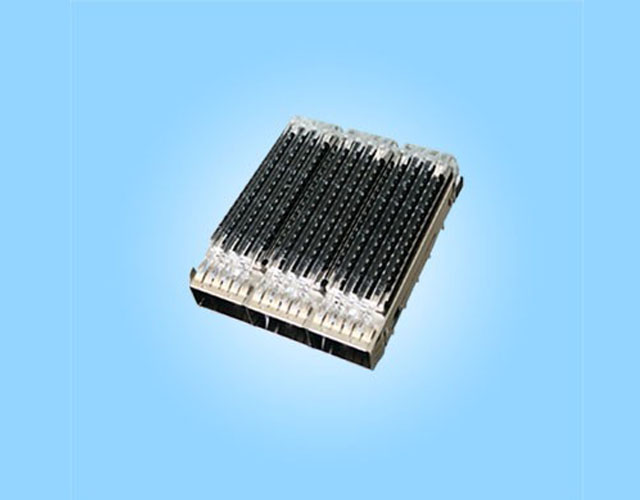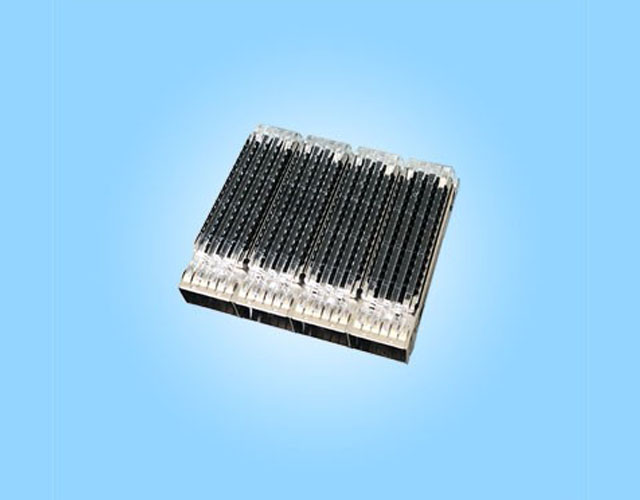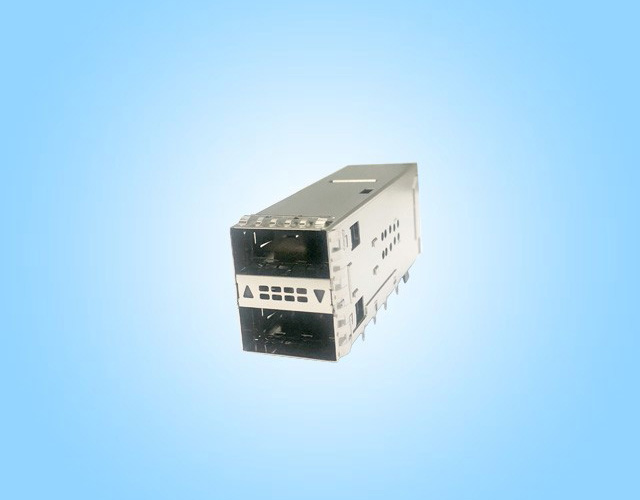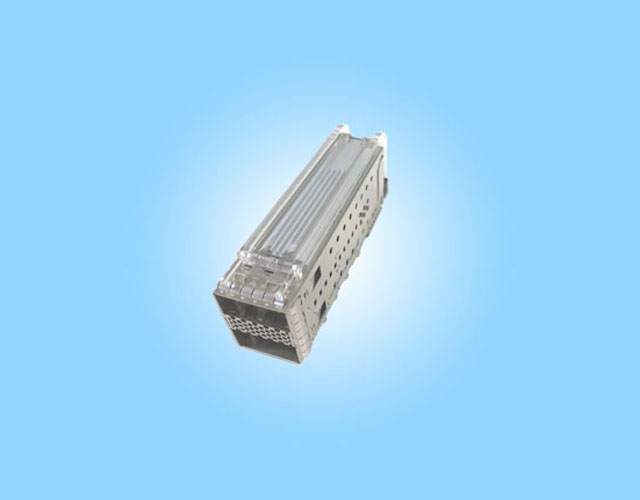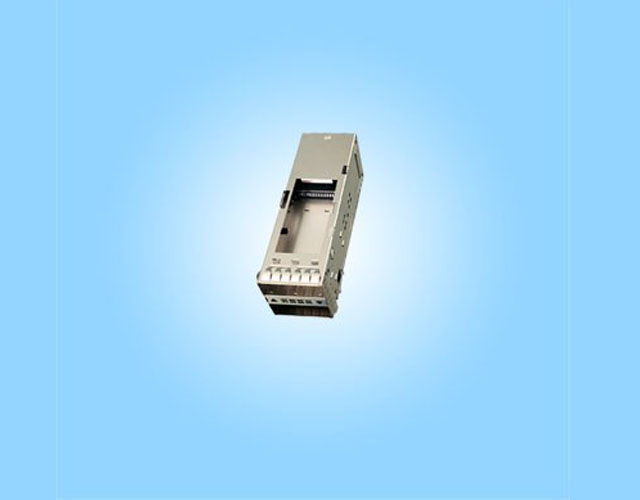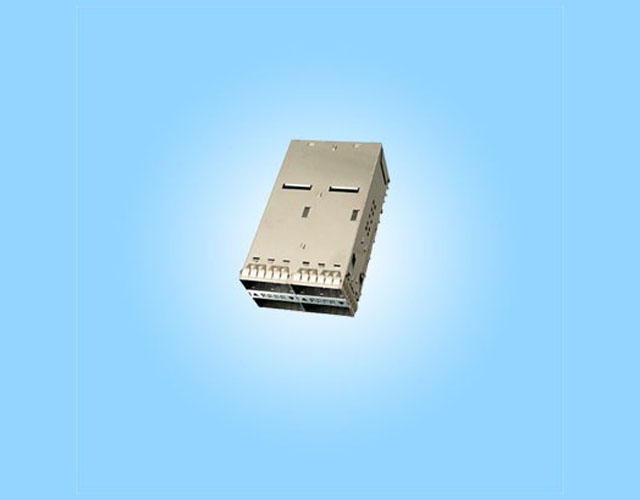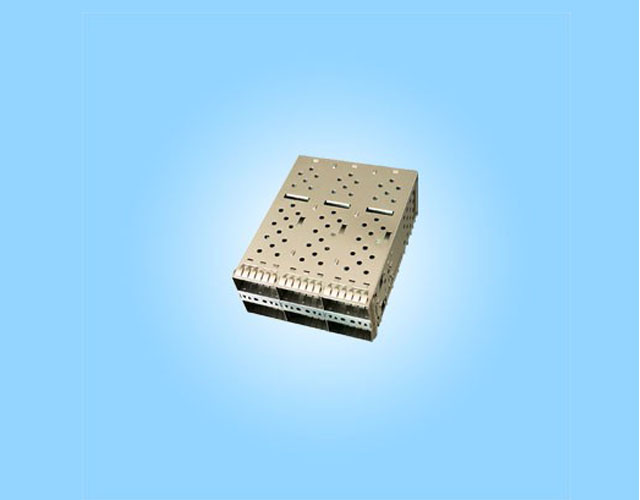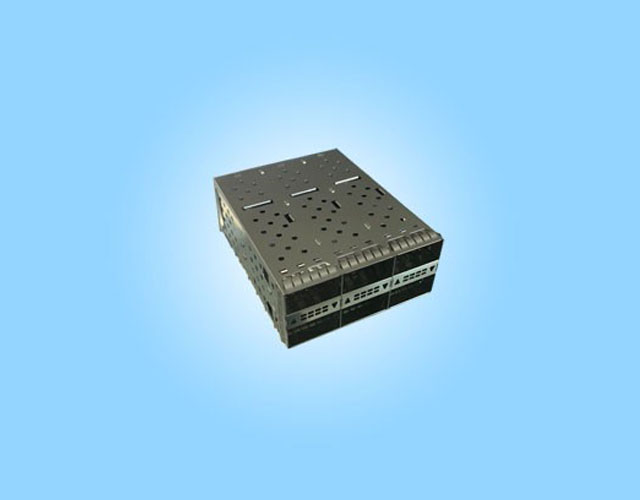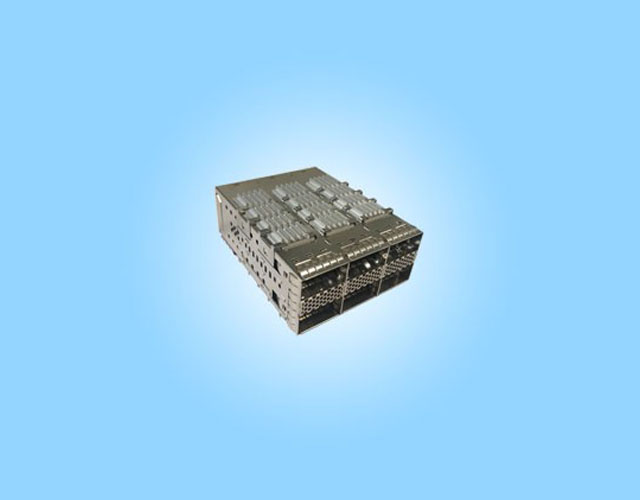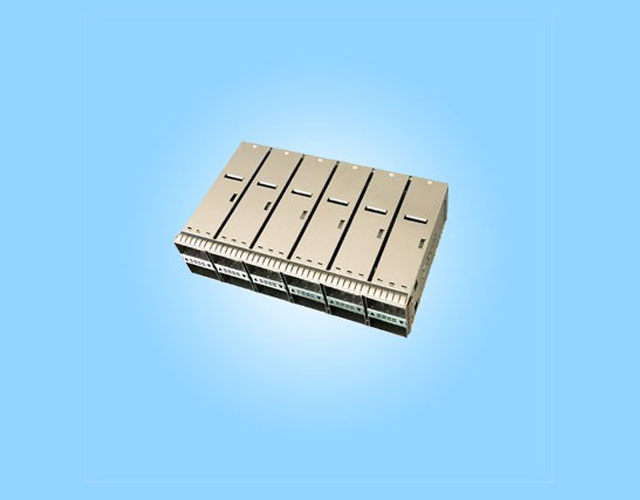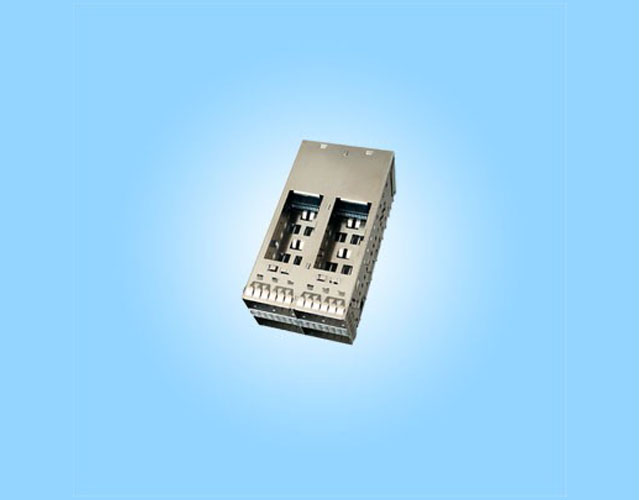
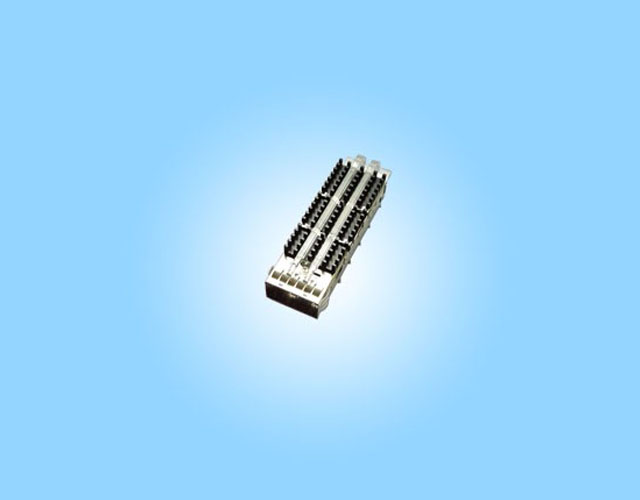
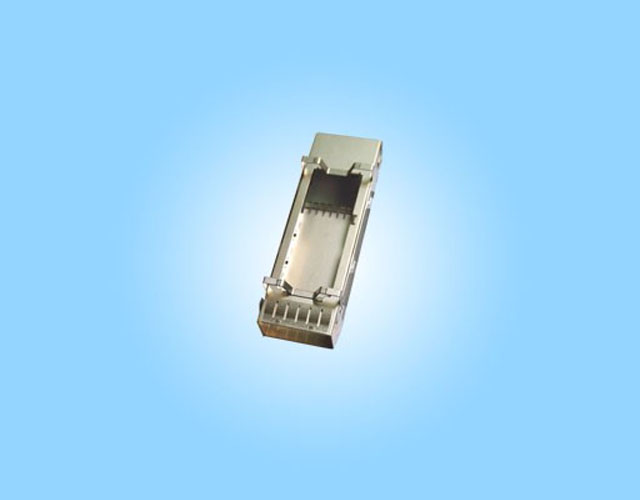
QSFP28 2x2 Cage-A2 WITH HEAT SINK

QSFP28 2x2 Cage-A2 WITH HEAT SINK

49030-02XXX1


Data Rate:28Gbps Max

Port Configuration:2x2

Circuits :38 Circuits/Port

Pitch:0.8 mm

EMI Finger:Yes

Heat Sink:Integrated ALUMINUM

Mounting:Press Fit

Operating Temperature:-40 to 85°C

Dimensions:73.6 x 38.8 x 25.4 mm


QSFP28 2x2 Cage-A2 WITH HEAT SINK Description

49030-02XXX1 stands out as a four-position stacked QSFP28 cage that gives priority to thermal hardware rather than light-pipe visibility. Its integrated ALUMINUM heat sink makes the 2x2 structure more specialized for layouts where four closely grouped QSFP28 ports need a more substantial metal feature above the cage instead of a cleaner bare-top design.

The 2x2 arrangement, 38 circuits per port, and 0.8 mm pitch define it as a dense stacked interface module, while the lack of a light pipe keeps the front-panel structure simpler. For designs that need a four-port stacked QSFP28 cage with a thermal-first profile and no added status-indication parts, this version is the more focused option.

QSFP28 2x2 Cage Specification

ParameterSpecification
Model49030-02XXX1
Product NameQSFP28 2x2-A2
Product Type2x2 Stacked QSFP28 Cage with Heat Sink
Number of Ports2x2
Number of Lanes4 Lane/Port
Number of Circuits38 Circuits/Port
Data Rate28Gbps Max
Pitch0.8 mm
Dimensions73.6 x 38.8 x 25.4 mm
Depth73.6 mm
Width38.8 mm
Height25.4 mm
EMI FingerYes
Light PipeNo
Heat SinkIntegrated ALUMINUM
MountingPress Fit
Operating Temperature-40°C to +85°C

Quality Certification

Our QSFP connector cages are backed by multiple international certifications, demonstrating compliance with rigorous standards for product quality, operational reliability, safety, and environmental protection. Major certifications include ISO 9001, IATF 16949, QC 080000, ROHS, REACH, UL, and ELCC.

IATF 16949

QC 080000

REACH

ROHS

UL

ELCC

Key Advantages of QSFP to RJ45 Connectivity

Built around a four-lane interface, QSFP-DD cage delivers higher aggregate bandwidth than single-lane pluggable formats and is widely used where uplink capacity, port efficiency, and dense high-speed connectivity matter most.

More Bandwidth per Port
QSFP-DD cage combines four electrical lanes in one interface, making it a stronger fit for platforms that need substantially more bandwidth per port than single-lane formats can provide.
Better Port Efficiency
Because one QSFP port can carry multi-lane traffic in a single housing, it helps equipment designers concentrate more throughput into a smaller front-panel area instead of multiplying lower-bandwidth ports.
Stronger Uplink and Fabric Fit
QSFP+ cage is commonly chosen for switch uplinks, aggregation paths, and fabric interconnects where traffic concentration is higher and the interface must support larger data flows than access-side ports.
Suited to Thermal and Signal Demands
High-bandwidth multi-lane links place greater demands on shielding, thermal control, and connector structure, making QSFP a more appropriate format for performance-oriented systems with heavier traffic loads.

QSFP+ Cage Applications in High-Bandwidth Networks

QSFP+ cage is commonly used where multi-lane bandwidth is needed in a compact module format, especially in systems that rely on high-capacity uplinks, dense switching fabrics, and heavier east-west traffic.
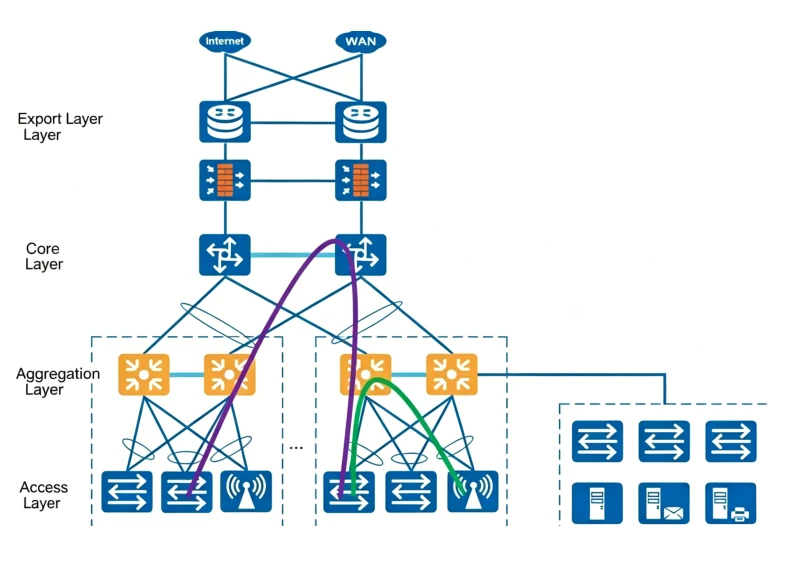
Switch Uplinks and Aggregation Links

Switch Uplinks and Aggregation Links

QSFP is widely used on uplink and aggregation ports where traffic from many lower-speed access ports must be concentrated into fewer higher-bandwidth interfaces.
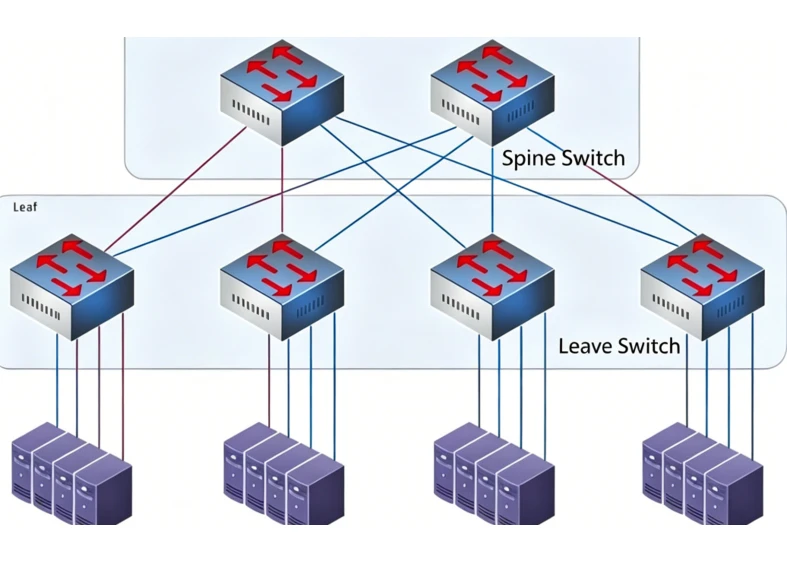
Leaf-Spine and Data Center Fabrics

Leaf-Spine and Data Center Fabrics

In data center switching architectures, QSFP fits naturally into fabric-facing connections that require higher throughput and efficient lane-based interconnect design.
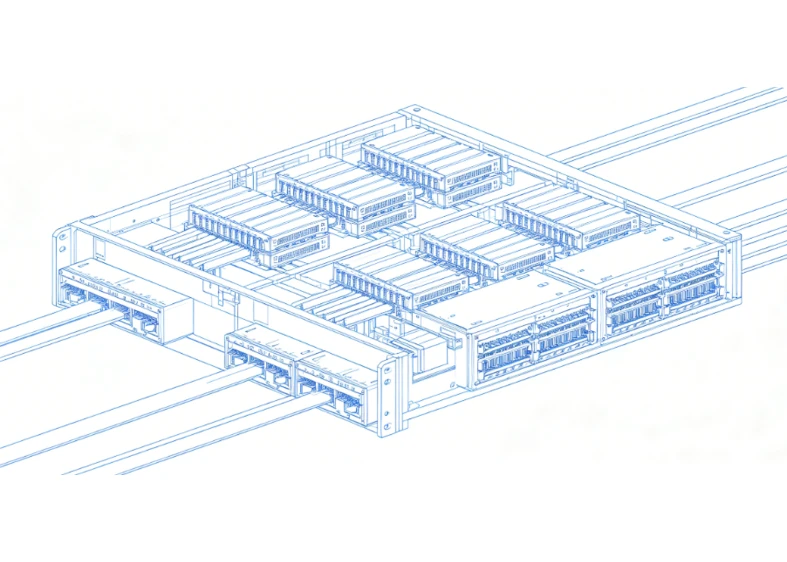
High-Performance Storage and Backend Interconnects

High-Performance Storage and Backend Interconnects

QSFP cage is also suitable for backend fabrics that move large data sets between storage nodes, controllers, and high-throughput equipment where wider links are preferred.
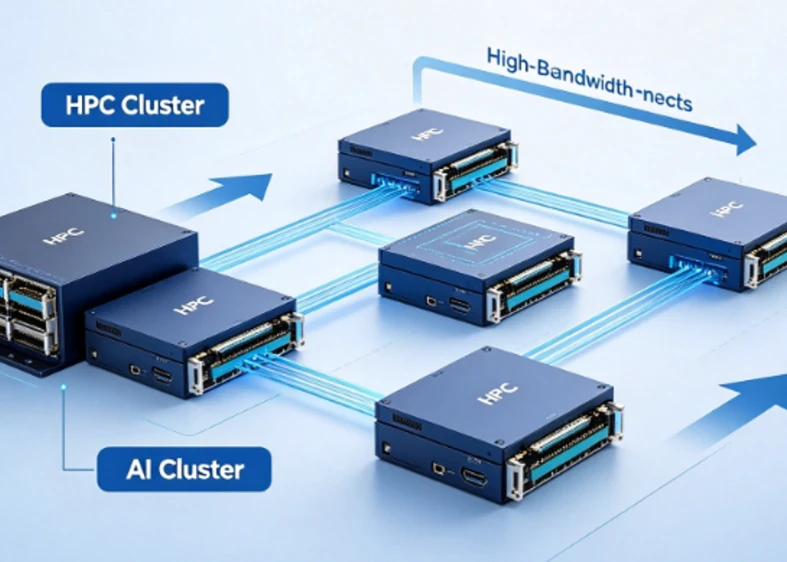
HPC, AI, and Compute Clusters

HPC, AI, and Compute Clusters

Compute-heavy platforms such as HPC and AI clusters often need denser high-bandwidth node-to-node connectivity, making QSFP a practical option for multi-lane system interconnects.
QSFP-DDCage FAQs

What is QSFP cage?

QSFP is a quad-lane pluggable interface format used for higher-bandwidth network links. It is commonly applied in switches, data center equipment, storage systems, and other platforms that require multi-lane connectivity.

How is QSFP to RJ45 different from SFP, SFP+, or SFP28?

The main difference is interface architecture. QSFP is built around four lanes in one port, while SFP, SFP+, and SFP28 are typically single-lane formats. This makes QSFP more suitable for higher aggregate bandwidth per port.

Why is QSFP often used for uplink ports?

QSFP is often selected for uplinks because uplink paths usually need to carry traffic collected from multiple lower-speed links. Its multi-lane structure helps support that higher-capacity role more efficiently.

Can QSFP-DD cage connector cages be customized?

Yes. QSFP connector cages can be customized based on application and design requirements, including structure, dimensions, mounting method, light pipe configuration, heat sink options, and other product details.
×

CONTACT US

Magnetic RJ45
RJ45 Jacks
SFP
SFP+
SFP28
QSFP

Cookie Policy

We use cookies and other tracking technologies online. Please read our Cookie Policy, which is part of this Cookie Policy , and is incorporated herein by reference.